
Products compared
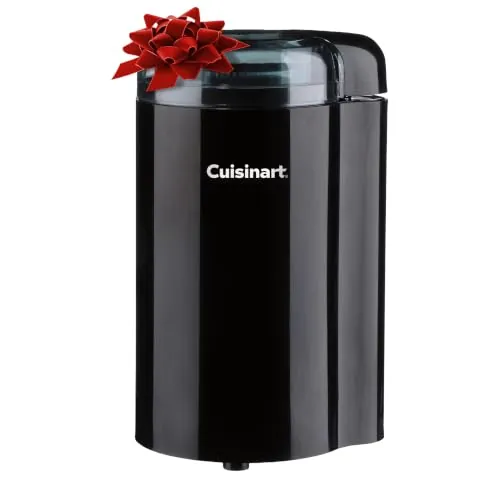
Cuisinart
Cuisinart Coffee Bar Coffee Grinder
Black U.S. listing; one-touch blade grinder with stainless-steel bowl and lid markings.
Model DCG-20BKN
Amazon ASIN B00004S9CY
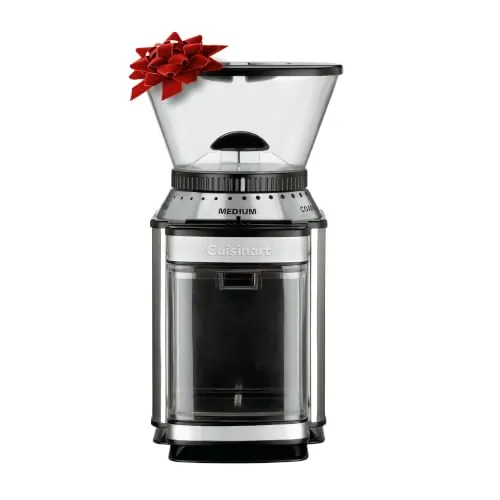
Cuisinart
Cuisinart Supreme Grind Automatic Burr Mill
Black Stainless U.S. listing; burr mill with separate grind and cup selectors and removable hopper and chamber.
Model DBM-8P1
Amazon ASIN B00018RRRK
Differences that matter
What matters most to you?
Choose a priority to see what it changes.
Sources for What the cup markings mean
Sources for Bean loading and grounds handling
Sources for Cleaning and cord storage
Cup labels are controls, not a shared recipe
The numbers look comparable at first: the DCG-20BKN's maker-listed bowl capacity is 2.5 oz / 70 g and is described as enough for 12 cups, while the DBM-8P1 has a separate 4–18 cup slide dial. The manuals show why those labels should not be converted into a head-to-head serving count. DCG's cover marks are approximate and tie to Cuisinart's stated recipe of 1½ rounded tablespoons per 5 oz water. For DBM, the booklet says fine grounds are compact and coarse grounds loose, so the cup dial may need to be set higher to obtain a desired amount. Use your brewer's water volume and your own measured dose as the practical check.
That distinction is useful if you batch for more than one person: A's 2.5 oz bowl marking is a physical loading reference; B's dial is an amount selector for its automatic cycle. The listed DBM chamber capacity of up to 32 cups is a maker description of grounds storage, not a promise that its recipe matches the DCG marking.
Pick the start-and-stop routine you want
DCG-20BKN is a press-and-hold routine: load the bowl, replace the lid, press On/Off, and release when you want to stop. Its series booklet gives coarse, medium and fine time examples, but explicitly says time varies with the amount and type of coffee and personal preference. Treat those examples as a starting point, not a guaranteed grind setting.
DBM-8P1 separates two choices before the cycle: an 18-position grind selector and a 4–18 cup dial. Press the power bar and the grinder stops automatically at the end of its cycle. That pre-set workflow may be a better control fit if you prefer a selected grind position and a nominal batch control. Neither operating layout proves better-tasting coffee or greater grind uniformity for this exact pair.
Compare where beans and grounds go—and the care after grinding
On the DCG-20BKN, the marked bowl is where beans are loaded and grounds collect; its instruction booklet says to unplug, wipe the bowl and lid, and dry them. The lid may be washed on the top dishwasher rack, while the base is not immersed. Excess cord stores in the base.
The DBM-8P1 page lists a removable 8 oz bean hopper and removable grind chamber, plus a scoop and cleaning brush. The DBM-8 booklet linked from that exact-model page says removable parts are top-rack dishwasher safe and calls for wiping the base and brushing the grind-release area; cord wraps under the base. Consider whether that hopper-to-chamber transfer suits your counter routine. The documents describe different parts and steps, not a tested cleanup winner. Cuisinart lists DCG dimensions but not DBM dimensions on the opened exact-model page, so confirm the exact DBM listing's size if cabinet fit is close.
Product details
Cuisinart Coffee Bar Coffee Grinder
Cuisinart Supreme Grind Automatic Burr Mill
- Grind selector
- 18 positions, from ultra-fine to extra-coarse. Source
- Cup dial and stop
- Separate 4–18 cup slide dial; the maker says grinding stops automatically when the cycle is complete. Source
- Bean hopper and grounds chamber
- Removable 8 oz bean hopper; removable grind chamber listed to hold grounds for up to 32 cups. Source
Before you buy
Community discussions
Matching a cup selector to the coffee you actually brew
Cuisinart Supreme Grind Automatic Burr Mill
A Cuisinart DBM-8 owner wanted to grind for their usual morning pot. The grinder’s eight-cup setting produced less than they expected, while the twelve-cup setting made the coffee stronger than they wanted.
What to check
Weigh what you normally add to the brewer. Compare how you reach that amount with the DBM-8 cup selection and the DCG-20BKN’s hold-to-run approach.
Common questions
Does the DBM-8P1 cup dial mean it will grind the same dose as the DCG-20BKN lid marks?
No cross-model equivalence is established. The DCG booklet calls its markings approximate and gives a particular Cuisinart recipe example; the DBM booklet says its 4–18 cup setting may need adjustment because fine and coarse grounds occupy different amounts of space. Measure for your own brewer and recipe.Cuisinart Coffee Bar Coffee Grinder DCG-20 Series Instruction BookletSupreme Grind Automatic Burr Mill DBM-8 Instruction Booklet
Which grinder gives more consistent grounds or better-tasting coffee?
The Cuisinart DBM-8P1 page describes its burr mill as providing a uniform grind, but the sources here do not include a controlled test of the DBM-8P1 against the DCG-20BKN. This comparison can guide the controls and cleanup workflow, not rank grind consistency or taste.Coffee Grinder — DCG-20BKNSupreme Grind Automatic Burr Mill Grinder — DBM-8P1
What should I check about cleanup before choosing?
The DCG booklet directs you to unplug the grinder, wipe the bowl and lid, and dry them; the lid may go on the top dishwasher rack. The DBM booklet says removable parts may go on the top rack and calls for a brush at the grind-release area. Follow the booklet linked for the exact listing and never treat these steps as evidence that one is easier to clean.Cuisinart Coffee Bar Coffee Grinder DCG-20 Series Instruction BookletSupreme Grind Automatic Burr Mill DBM-8 Instruction Booklet
Sources and scope
This is a manufacturer-document comparison of the exact U.S. models. It does not establish comparative grind consistency, taste, extraction, speed, noise or cleanup effort. The DCG-20BKN manual is the DCG-20 series booklet linked from its exact-model page; the DBM-8 manual is linked from the exact DBM-8P1 page. The manuals' cup references and maker capacity descriptions are model-specific and do not establish equivalent doses or brewed servings.
Related comparisons
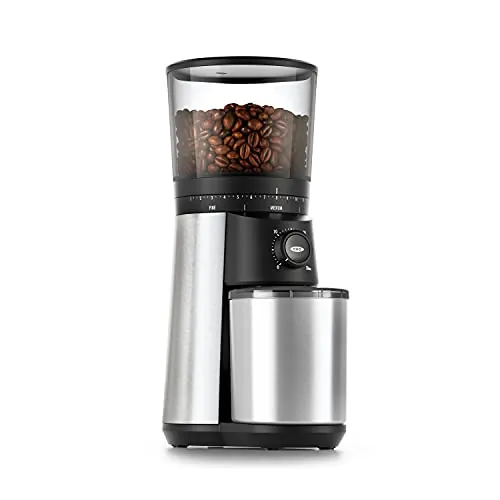
Cuisinart DBM-8P1 vs OXO 8717000: Dose and Cleaning Workflows
The Cuisinart DBM-8P1 pairs an 18-position grind selector with a 4–18 cup slide dial and a removable hopper and grind chamber. The OXO 8717000 uses a timed cycle that remembers its last setting, a 12 oz bean hopper with a trap door, and an exact-model manual that explains upper-burr cleaning. Choose by how you portion beans and which upkeep instructions you want documented.
Read comparison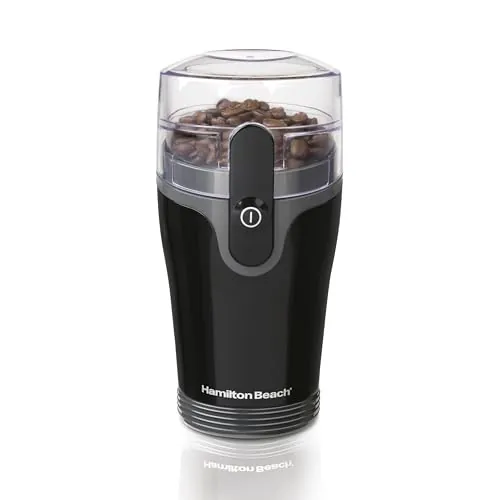
Cuisinart DBM-8P1 vs Hamilton Beach Fresh Grind: Controls and Cleanup
Cuisinart DBM-8P1 gives you an 18-position burr selector, a 4–18-cup dial, and a cycle that stops automatically. Hamilton Beach Fresh Grind 80335G uses stainless-steel blades and runs while you hold its button; the removable bowl is dishwasher-safe. Compare your preferred control routine and the parts you will clean. The cup labels describe each maker's own system, not equal measured grounds quantities.
Read comparison