Products compared
Nikon
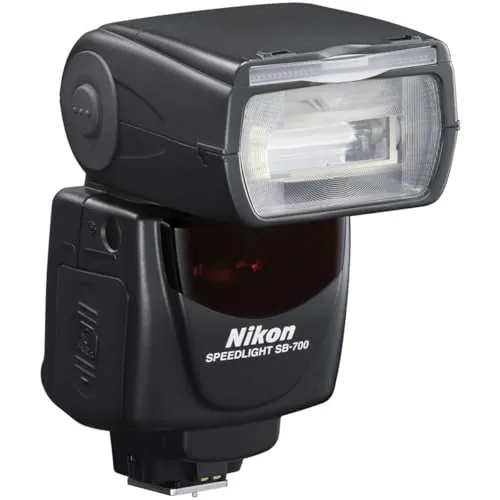
Nikon SB-700 AF Speedlight
Nikon SB-700 U.S. Speedlight, sold as a single unit. Nikon documents optical wireless operation; the listing data's FSA03901 model field is not used as the public model name because the Nikon product number and exact product page identify this model as SB-700.
Model SB-700
Amazon ASIN B0042X9L6A
Nikon
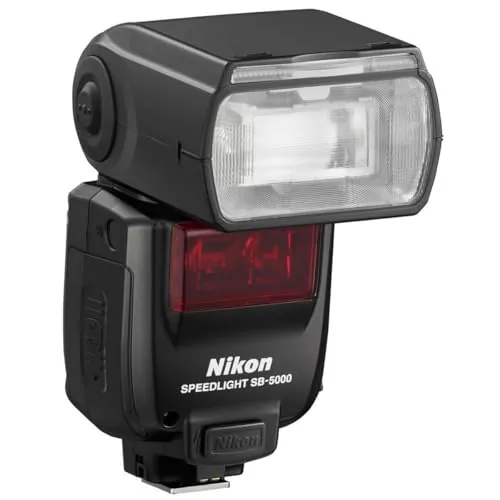
Nikon SB-5000 AF Speedlight
Nikon SB-5000 U.S. radio-control Speedlight, sold as a single unit. Nikon documents both radio and optical communication; radio-controlled AWL remote use still depends on a compatible Nikon camera and WR-R11 controller.
Model SB-5000
Amazon ASIN B01A7Q0N9Y
Differences that matter
What matters most to you?
Choose a priority to see what it changes.
Sources for Lens coverage by camera format
Sources for AA battery and recycle planning
Start with your wireless lighting plan
The first decision is the trigger path. Nikon lists both the SB-700 and SB-5000 in optical Advanced Wireless Lighting configurations. For radio-controlled AWL, Nikon lists the SB-5000 as the remote flash and requires a compatible camera with a WR-R11a or WR-R11b controller. The correct controller depends on the body's remote terminal. This makes the SB-5000 a system choice that may also require a separate controller, not a radio upgrade that works with any Nikon body.
If your remote flash can use the optical setup in Nikon's combination table, radio may not change your shopping list. If you need a remote placed outside optical line of sight, first confirm the camera and controller, then verify how many groups your planned setup needs. Nikon's published group counts and radio range describe system specifications, not guaranteed operation in every location.
For on-camera use, match coverage to your lenses
Nikon publishes SB-700 coverage separately for DX and FX formats, while its SB-5000 page gives an FX range and a 14 mm option when the built-in wide panel is used. Before choosing from the longest number, check the camera format, the focal lengths you use and Nikon's chart for the exact flash-head setting. A longer published range by itself does not show which flash gives better exposure or image quality for your setup.
Mounting and camera functions are also combination-dependent. Verify that your body has a compatible accessory shoe and check Nikon's camera/flash compatibility instructions for i-TTL and the wireless roles you need. Being Nikon-branded does not establish that every feature works on every camera generation.
Read recycle times with the battery named beside them
Both models take four AA batteries, but their published approximate minimum recycle figures vary with cell type. The SB-700 lists about 2.5 seconds with alkaline or 2600 mAh Ni-MH cells; the SB-5000 lists about 2.6 seconds with alkaline and 1.8 seconds with 2600 mAh Ni-MH. Compare the same battery condition rather than a single headline value, and treat the numbers as Nikon's specifications rather than a promise about a specific event or firing sequence.
A practical pre-buy check is to list the battery type you will carry, how often you expect full-power firing, your camera body, remote terminal and lens formats. That checklist resolves the main equipment dependencies before comparing current retailer offers and box contents.
Product details
Nikon SB-700 AF Speedlight
- Optical wireless modes
- Nikon lists Master, Remote, Quick Wireless A:B and SU-4 modes; this guide treats the AWL combinations as camera-dependent. Source
- Published lens coverage
- 14–120 mm in DX format; 24–120 mm in FX format. Source
- Power and approximate minimum recycle time
- Four AA batteries; approximately 2.5 seconds with alkaline or 2600 mAh Ni-MH AA batteries, per Nikon's specification. Source
Nikon SB-5000 AF Speedlight
- Wireless transmission modes
- Radio and optical communication; Nikon's radio-controlled AWL system requires a listed compatible camera and WR-R11a or WR-R11b controller. Source
- Published lens coverage
- 24–200 mm in FX format; 14 mm coverage with the built-in wide panel. Source
- Power and approximate minimum recycle time
- Four AA batteries; approximately 2.6 seconds with alkaline or 1.8 seconds with 2600 mAh Ni-MH AA batteries, per Nikon's specification. Source
Before you buy
Community discussions
Checking which controls you can reach from the camera menu
Nikon SB-700 AF Speedlight
A Nikon Z6III user comparing an SB-700 with related flashes asked whether they would have to change settings on the flash itself.
What to check
Check the camera and flash documentation for each exact pair. Try the controls you expect to change most often and see where you access them.
Common questions
Can the SB-700 use Nikon's radio-controlled AWL system?
Nikon's Creative Lighting System guide lists the SB-700 in optical AWL combinations and the SB-5000 as its radio-controlled AWL remote flash. The radio setup also needs a listed compatible camera and the correct WR-R11 controller; do not infer radio compatibility from the SB-700's optical wireless modes.Nikon SB-700 AF Speedlight — U.S. product specificationsNikon SB-5000 AF Speedlight — U.S. product specificationsThe Nikon Creative Lighting System: camera and Speedlight combinations
Does any Nikon camera support the SB-5000's radio mode?
No. Nikon names compatible camera models and requires WR-R11a or WR-R11b according to the camera terminal. Check Nikon's current list for your exact camera body and controller before buying around radio AWL.The Nikon Creative Lighting System: camera and Speedlight combinations
Which one recycles faster?
Nikon's approximate minimum figures depend on battery type: the SB-700 lists about 2.5 seconds with alkaline or 2600 mAh Ni-MH AA batteries; the SB-5000 lists about 2.6 seconds with alkaline and 1.8 seconds with 2600 mAh Ni-MH. Those published values are not a matched real-world burst test or a guaranteed firing cadence.Nikon SB-700 AF Speedlight — U.S. product specificationsNikon SB-5000 AF Speedlight — U.S. product specificationsNikon SB-700 User's Manual
Sources and scope
This is a documentation-based setup comparison, not a matched test of flash output, exposure, recycle cadence, thermal behavior or wireless reliability. Nikon's radio AWL requires a listed compatible camera and a WR-R11a or WR-R11b controller; verify your camera's remote terminal before buying. Coverage and approximate recycle figures are manufacturer specifications, with recycle time depending on AA type and battery condition. Check the selected offer for the controller and included accessories.