
Products compared
Skullcandy
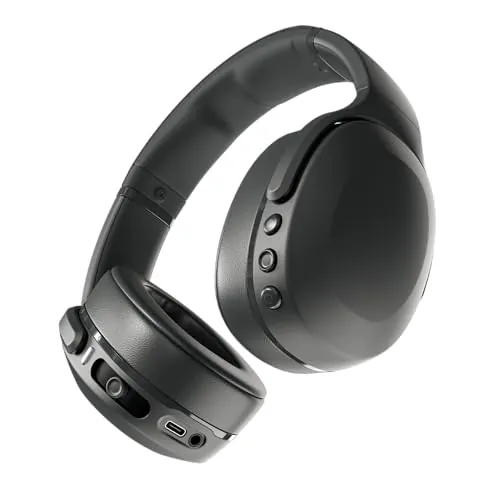
Skullcandy Crusher Evo Wireless Over-Ear Headphones
True Black S6EVW-N740. Skullcandy lists an adjustable Crusher Bass wheel on the left earcup and app EQ controls.
Model S6EVW-N740
Amazon ASIN B08FCGH2RL
JBL
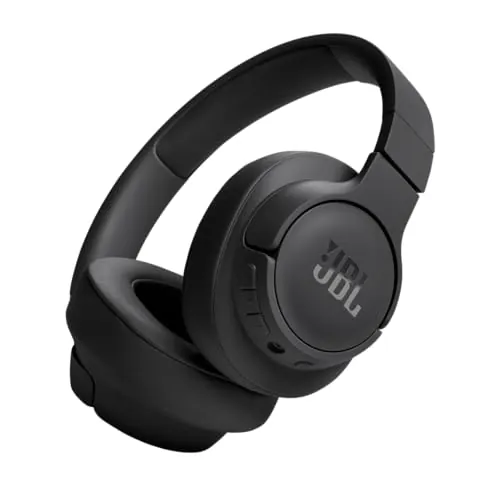
JBL Tune 720BT Wireless Over-Ear Headphones
Black JBLT720BTBLKAM. JBL lists app EQ presets, adjustment of the EQ curve, Bluetooth connection to up to two devices, and a detachable audio cable.
Model JBLT720BTBLKAM
Amazon ASIN B0CTBCDD6D
Differences that matter
What matters most to you?
Choose a priority to see what it changes.
Sources for Bass and EQ controls
Sources for Switching between devices
Sources for Battery and charging claims
Sources for Wired listening and included cable
Start with the control you want to reach for
The Crusher Evo gives bass adjustment a physical control: Skullcandy says to move the wheel on the left earcup up or down. The same product page lists Skullcandy app EQ, with Music, Podcast, Movie, and custom EQ modes. That makes the wheel useful if you want an on-headphone adjustment while listening, while the app gives you saved tuning choices.
JBL's Tune 720BT product page focuses on its JBL Headphones app: choose an EQ preset or adjust the EQ curve. The model comparison is therefore a workflow choice, not a sound-quality verdict. Neither set of manufacturer descriptions measures how good either tuning sounds to you.
Two-device switching is the clearest documented JBL distinction
JBL's Tune 720BT quick-start guide says multipoint supports a maximum of two devices. The product page explains a phone-and-tablet style handoff example. If you regularly move between a computer and phone, this is a useful requirement to check before buying.
Skullcandy’s comparison table combines “Google Fast Pair + Multipoint Pairing” in one row and marks the Evo “No,” without showing which feature that mark applies to separately. It does not say the headphones cannot pair over Bluetooth. JBL’s guide explicitly lists connection to up to two devices; check this feature if switching between two sources matters to you.
Use charge claims to plan, not to declare a battery winner
Skullcandy lists up to 40 hours of playback and says a 10-minute charge gives 4 hours. Its support FAQ lists one hour for a full USB-C charge. JBL's guide lists up to 76 hours of Bluetooth music, 5 minutes for 3 hours, and two hours to charge from empty. Those figures are not the results of one shared test, so don't translate the larger maximum into guaranteed extra days for your use.
Cable buyers also have an actionable check: Skullcandy lists a backup AUX cable in the box; JBL lists an included detachable audio cable and shows wired listening mode in its quick-start guide. Check the exact retailer's included-items section and confirm the source device's port before you choose based on wired use.
A short before-you-buy check
Check that the offer is for the black models compared here: Skullcandy S6EVW-N740 or JBLT720BTBLKAM. Confirm the color and items in the box on the listing before ordering.
Then answer three questions: Do you need a physical bass wheel? Must you switch among two connected Bluetooth devices? Will you use the companion EQ app or the included audio cable? The first points toward Skullcandy, the second has a clear JBL-supported answer, and app/cable preferences should be checked against the device you plan to connect.
Product details
Skullcandy Crusher Evo Wireless Over-Ear Headphones
JBL Tune 720BT Wireless Over-Ear Headphones
- Manufacturer-rated playback
- Up to 76 hours with Bluetooth on; JBL lists a two-hour full charge and 5 minutes for 3 additional hours. Source
- Device switching
- Multipoint connection supports a maximum of two devices. Source
- EQ and cable
- The JBL Headphones app offers EQ presets or curve adjustment; JBL lists an included detachable audio cable. Source
Before you buy
Community discussions
Do you adjust the bass as your playlist changes?
Skullcandy Crusher Evo Wireless Over-Ear Headphones
A shopper considering the Crusher Evo wanted to adjust the amount of bass depending on the music they were listening to.
What to check
Decide whether you prefer a physical control on the earcup or adjusting EQ in an app.
Common questions
Which one should I choose if I want to change bass without opening an app?
The Crusher Evo is the clear fit for that specific control preference: Skullcandy documents a physical Crusher Bass adjustment wheel on its left earcup. This says how the control works, not how the two headphones sound side by side.Crusher Evo — US product page and comparison table
Can the Tune 720BT switch between a phone and a tablet?
JBL's Tune 720BT quick-start guide documents multipoint connection for up to two devices. It does not promise a particular switching experience for every device or app combination.JBL Tune 720BT Quick Start Guide
Does JBL's 76-hour rating mean it will last longer than the Crusher Evo?
JBL lists up to 76 hours and Skullcandy up to 40 hours. These are separate manufacturer ratings, not a matched test or a prediction for your listening routine.Crusher Evo — US product page and comparison tableJBL Tune 720BT Quick Start Guide
Do both packages include an audio cable?
The Skullcandy product page lists a backup AUX cable. JBL lists a detachable audio cable and its quick-start guide shows wired listening mode. Check the exact seller offer's included-items list before ordering.Crusher Evo — US product page and comparison tableJBL Tune 720BT — US black product pageJBL Tune 720BT Quick Start Guide
Sources and scope
The playback and charging figures come from each manufacturer’s own ratings. JBL documents two-device pairing. Skullcandy lists Fast Pair and multipoint together, so check the Crusher Evo manual if you need simultaneous connections.
Related comparisons
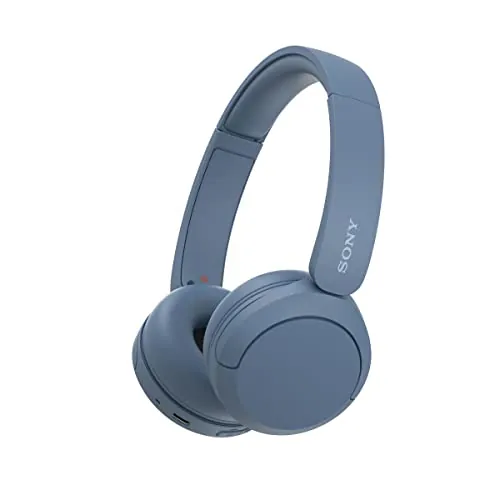
Sony WH-CH520/L vs JBL Tune 720BT: On-Ear or Wired-Capable?
The blue Sony WH-CH520/L is an on-ear Bluetooth headphone and Sony says the WH-CH520 cannot play through an analog cable. The black JBL Tune 720BT is over-ear, folds for carrying, and includes a detachable audio cable with a documented wired-listening mode. Both support Bluetooth multipoint for up to two devices; neither page settles comfort, sound quality or real-world battery life.
Read comparison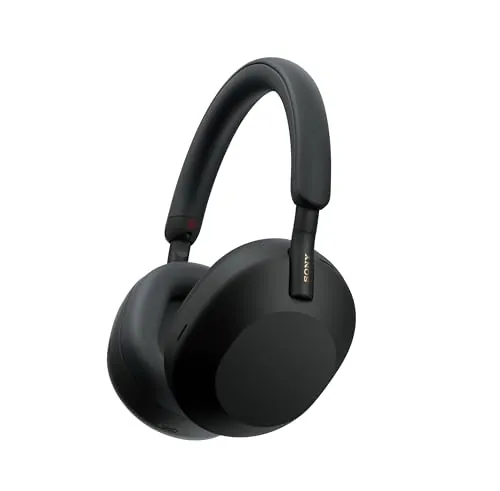
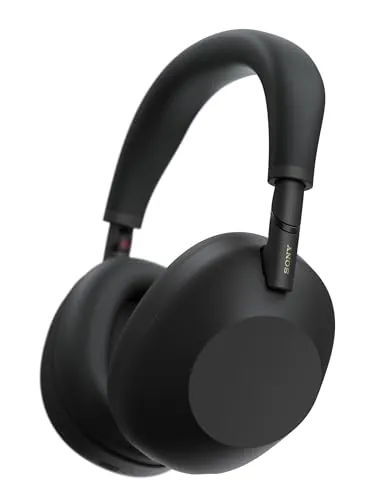
Sony WH-1000XM5 vs WH-1000XM6: Is the Upgrade Worth It for Office Noise?
Sony rates both headphones for up to 30 hours with noise canceling on and 40 hours off, so battery life is not a stated-generation upgrade. RTINGS' current public direct-pair verdict says XM6 reduces mid-range noise such as office chatter and keyboard clacks more effectively, but its softer pads can lose their seal more easily with glasses or small shifts. If your XM5 already handles your commute and calls, the XM6 changes matter most when that office-noise improvement is a problem you will use and the new fit feels secure.
Read comparison