Pickagu

Digital Pianos

Find your model below to compare what is included and how the differences affect everyday use.

4 comparisons

Digital Pianos comparisons

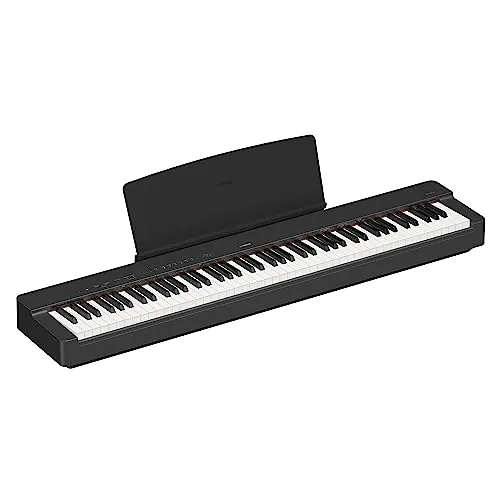
Yamaha P-225 88-Key Portable Digital Piano · P-225B
Yamaha P-225 88-Key Portable Digital Piano
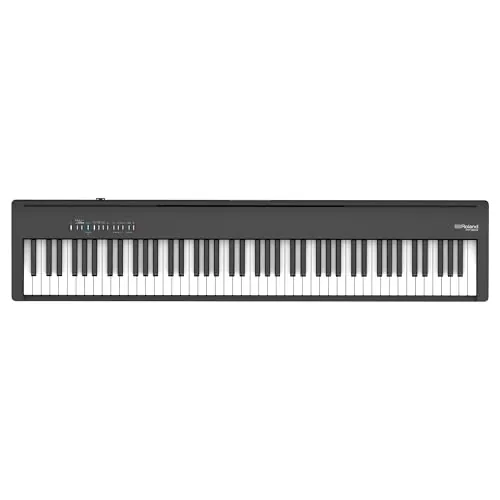
Roland FP-30X Digital Piano (Black) · FP-30X-BK
Roland FP-30X Digital Piano (Black)

Yamaha P-225B vs Roland FP-30X-BK: App Connections, Pedals and Desk Fit

For these black U.S. 88-key models, choose by how you connect apps and by the opening where the keyboard body will sit. Roland documents Bluetooth audio and MIDI plus USB audio/MIDI. Yamaha supports Smart Pianist through USB or, on iOS, an optional UD-BT01; its U.S. page also describes Bluetooth audio, while its specifications and manual retain an area/country qualifier. Both list a basic sustain footswitch, but their dedicated stand-and-three-pedal options differ. Roland is 26 mm narrower; Yamaha is 12 mm shallower and 22 mm lower with the music rest off.

Read comparison
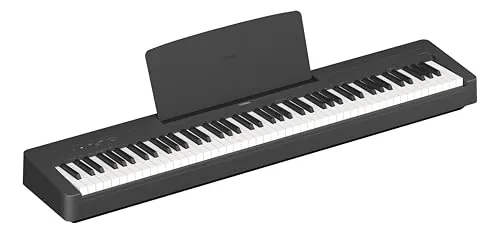
Yamaha P-145BT 88-Key Digital Piano, Black, Single Unit · P-145BT
Yamaha P-145BT 88-Key Digital Piano, Black, Single Unit
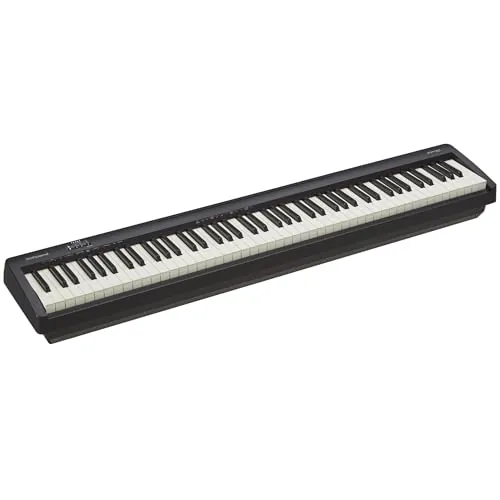
Roland FP-10-BK 88-Note Digital Piano, Black · FP-10-BK
Roland FP-10-BK 88-Note Digital Piano, Black

Yamaha P-145BT vs Roland FP-10: Choose by Audio, MIDI and Pedals

These black, single-unit 88-key pianos answer different connection questions. Yamaha lists Bluetooth Audio on the P-145BT, so compatible phone or tablet audio can play through the instrument speakers where that feature is available. Roland lists Bluetooth MIDI on the FP-10, a route for sending musical note/control data to compatible software; its availability depends on country. Both document USB MIDI, and Yamaha also specifies USB audio. For pedals, both have a separately sold half-pedal option; Yamaha additionally names a separate LP-5A three-pedal unit for P-145BT, used with a separate L-100 stand. Choose by the app connection you need and the accessories you plan to add, not by an untested sound or key-feel ranking.

Read comparison
Roland FP-30X Digital Piano · FP-30X-BK
Roland FP-30X Digital Piano
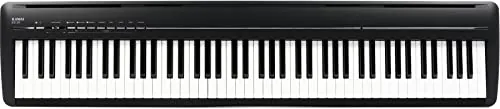
Kawai ES120 Digital Piano · ES120B
Kawai ES120 Digital Piano

Roland FP-30X vs Kawai ES120: USB Recording and Stand Setup

Both are black, portable 88-key digital pianos with Bluetooth audio and MIDI. Roland documents USB-B audio and MIDI to a computer for music-production software. Kawai documents USB-to-HOST for MIDI and LINE OUT for audio recording to an external device. Choose the route that fits your setup, then check desk or stand space and confirm what the ES120 seller includes for pedals.

Read comparison
Roland FP-30X-BK Digital Piano (Black) · FP-30X-BK
Roland FP-30X-BK Digital Piano (Black)
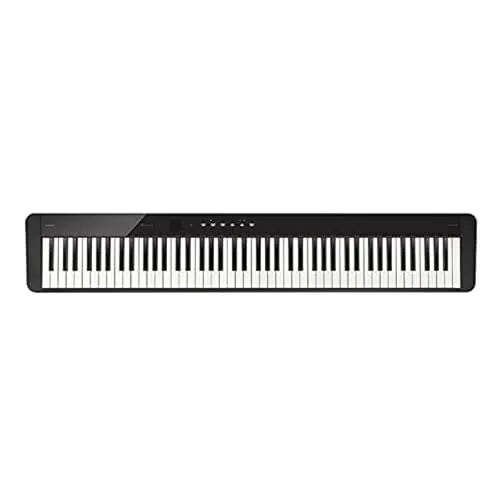
Casio Privia PX-S1100BK Digital Piano (Black) · PX-S1100BK
Casio Privia PX-S1100BK Digital Piano (Black)

Roland FP-30X-BK vs Casio PX-S1100BK: Power, Space and Recording Setup

Both are black 88-key portable digital pianos, but the U.S. manufacturer pages describe different setup advantages. Casio lists optional six-AA battery operation, an included WU-BT10 wireless MIDI/audio adapter and USB-A drive recording/playback with that adapter unplugged. Roland lists USB-B computer audio/MIDI plus a separate USB-A memory port. On paper, Casio is wider but shallower; the published measurement bases are not identical, so use them as a first-pass fit check rather than a complete stand footprint.

Read comparison