
Products compared
TP-Link
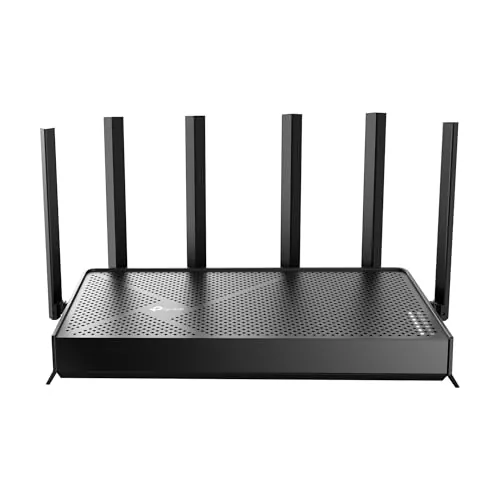
TP-Link Archer BE600 BE9700 Tri-Band Wi-Fi 7 Router
selected U.S. listing; black. Verify the hardware-version label on the unit before using revision-specific downloads.
Model Archer BE600
Amazon ASIN B0F76PQ2T8
TP-Link
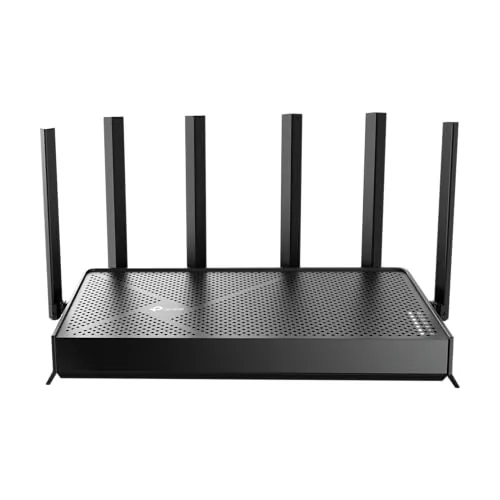
TP-Link Archer BE400 BE6500 Dual-Band Wi-Fi 7 Router
selected U.S. listing; black. Verify the hardware-version label on the unit before using revision-specific downloads.
Model Archer BE400
Amazon ASIN B0DVBP5L6Y
Differences that matter
What matters most to you?
Choose a priority to see what it changes.
Sources for Wireless bands and 6 GHz client fit
Sources for Shared WAN/LAN roles
Sources for Hardware-version check
Start with the clients that can use the extra band
Both assigned models are Wi-Fi 7 routers, but their US specifications do not list the same bands. BE600 is tri-band at 2.4, 5 and 6 GHz; BE400 is dual-band at 2.4 and 5 GHz. The shared Wi-Fi 7 label is not a reason by itself to choose one over the other.
If BE600’s 6 GHz radio is the deciding feature, check the exact laptop, phone or adapter you expect to use. TP-Link says a client needs Wi-Fi 6E or Wi-Fi 7 support for 6 GHz. Older devices can connect through 2.4 or 5 GHz, but the presence of the router’s 6 GHz band does not add that capability to a client. TP-Link also notes that MLO behavior varies by client, so this guide does not assume any Wi-Fi 7 feature is universally available.
Draw the wired network before you select the port layout
The BE600 lists one 10 Gbps WAN/LAN port, one 2.5 Gbps WAN/LAN port and three dedicated 2.5 Gbps LAN ports. The BE400 lists one dedicated 2.5 Gbps WAN, one dedicated 2.5 Gbps LAN and three 1 Gbps LAN ports. That is the concrete wired difference: BE600 supplies more dedicated multi-gig LAN sockets, while BE400 already separates its 2.5 Gbps WAN from its 2.5 Gbps LAN.
Make a small connection list before buying: modem handoff, any multi-gig PC or NAS, other wired devices and any switch. Assign the BE600 modem to one shared WAN/LAN port first; the other shared-role socket may serve the other role, while its three 2.5 Gbps LAN sockets remain separately identified. On the BE400, reserve its WAN and see whether the single 2.5 Gbps LAN plus three gigabit ports cover the remaining endpoints. Matching port ratings do not promise ISP speed or measured local transfer rates; the devices, cable, service and configuration also matter.
Match revision-specific support material to the unit label
TP-Link’s US download pages expose hardware-version selectors and say availability varies by region. They currently list BE600 and BE400 US support material, including v1.6 documents, but the selected listing records do not state which hardware revision a particular shipped router will be. Do not infer the retail unit revision from the page’s current selector.
If a firmware file, setup detail or revision-specific feature matters to your decision, check the version printed on the router’s bottom or back and use the matching TP-Link US download entry. This is a final identity check, not a substitute for planning the band and port layout.
Product details
TP-Link Archer BE600 BE9700 Tri-Band Wi-Fi 7 Router
Before you buy
Community discussions
Planning where the new router connects
TP-Link Archer BE400 BE6500 Dual-Band Wi-Fi 7 Router
An Archer BE400 owner connected it behind an existing cable router and reported intermittent dropouts on both Ethernet and Wi-Fi in that setup.
What to check
Mark which device will handle routing. Compare the Ethernet ports you can still use when the new router is connected to your internet equipment.
Common questions
Does Wi-Fi 7 automatically mean a device can use 6 GHz?
No. TP-Link says the client itself must support Wi-Fi 6E or Wi-Fi 7 for 6 GHz. Check the exact device’s band specification; the BE600 lists 6 GHz, while the BE400 lists 2.4 and 5 GHz.TP-Link Wi-Fi 7 Router and Deco: Frequently Asked QuestionsArcher BE600 | BE9700 Tri-Band Wi-Fi 7 Router — TP-Link U.S.Archer BE400 | BE6500 Dual-Band Wi-Fi 7 Router — TP-Link U.S.
Can I count both BE600 WAN/LAN ports as wired LAN ports?
Only after assigning the modem connection. TP-Link labels the BE600’s 10 Gbps and 2.5 Gbps ports WAN/LAN, so the one assigned to WAN is not also available as LAN. Its three 2.5 Gbps LAN ports are separately listed.Archer BE600 | BE9700 Tri-Band Wi-Fi 7 Router — TP-Link U.S.
Which router has a dedicated 2.5 Gbps LAN port?
Both have at least one: BE600 lists three dedicated 2.5 Gbps LAN ports; BE400 lists one separate 2.5 Gbps LAN plus three 1 Gbps LAN ports. BE600’s additional 10 Gbps and 2.5 Gbps ports are shared WAN/LAN roles.Archer BE600 | BE9700 Tri-Band Wi-Fi 7 Router — TP-Link U.S.Archer BE400 | BE6500 Dual-Band Wi-Fi 7 Router — TP-Link U.S.
How do I check the hardware revision before using a manual or firmware file?
TP-Link says the router’s hardware version is printed on a bottom or rear label. Match that label to the regional TP-Link download page; the support-page selector does not identify the revision shipped in a particular listing.TP-Link Hardware Version: How to Find ItDownload for Archer BE600 — TP-Link U.S.Download for Archer BE400 — TP-Link U.S.
Sources and scope
This is a manufacturer-specification and network-layout comparison, not a test of speed, latency, range, coverage or reliability. The current TP-Link US support pages expose hardware-version choices, but the selected listing listings do not establish the revision of the individual router a buyer will receive. Confirm the bottom or rear label and match it to the TP-Link US download page before applying revision-specific instructions.
- Archer BE600 | BE9700 Tri-Band Wi-Fi 7 Router — TP-Link U.S.
- Archer BE400 | BE6500 Dual-Band Wi-Fi 7 Router — TP-Link U.S.
- Download for Archer BE600 — TP-Link U.S.
- Download for Archer BE400 — TP-Link U.S.
- TP-Link Wi-Fi 7 Router and Deco: Frequently Asked Questions
- TP-Link Hardware Version: How to Find It
Related comparisons
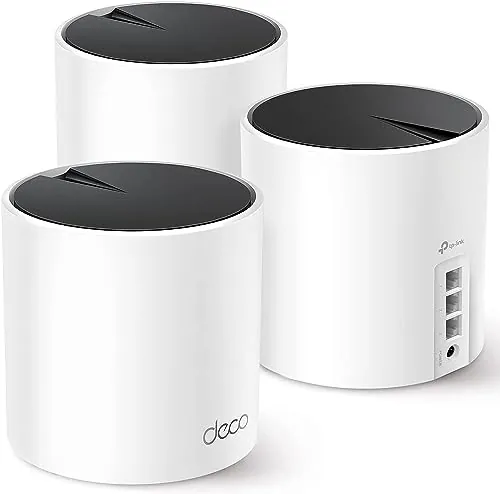
Deco X55 3-Pack vs Archer BE400: Three-Node Mesh or Wi-Fi 7 Router?
The selected US offers are TP-Link Deco X55 3-pack ASIN B09PRB1MZM and one Archer BE400 ASIN B0DVBP5L6Y. X55 is a three-unit Wi-Fi 6 Deco mesh kit with three Gigabit ports on each node. BE400 is a single Wi-Fi 7 router; TP-Link’s US specifications list one 2.5Gbps WAN, one 2.5Gbps LAN and three 1Gbps LAN ports, with EasyMesh support. TP-Link says Deco Mesh and Archer EasyMesh cannot form one unified mesh. Before choosing, map the rooms, modem, Ethernet jacks and wired clients; for BE400, also confirm the exact hardware version and clarify an Amazon box-contents field that says Archer BE230 even though the listing model is BE400.
Read comparison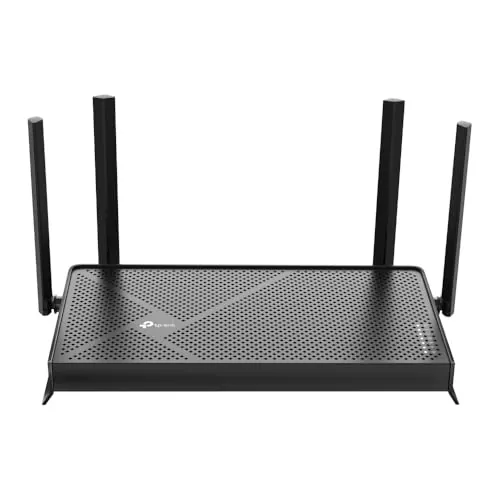
TP-Link Archer BE400 vs BE230: Match Wi-Fi Tier to Your Wired Setup
The assigned US listings are Archer BE400 ASIN B0DVBP5L6Y (one unit) and Archer BE230 ASIN B0DC99N2T8 (one unit). TP-Link's US pages show the same port count on both: one 2.5Gbps WAN, one 2.5Gbps LAN, and three 1Gbps LAN ports, plus USB 3.0. The main published distinction is wireless class: BE400 is BE6500 dual-band Wi-Fi 7 with six external antennas; BE230 is BE3600 dual-band Wi-Fi 7 with four. Before choosing, draw the modem-to-router connection and list each wired endpoint by link rate. The BE400 Amazon page's captured model fields identify BE400, but a separate box field names BE230; confirm the shipped item with the seller. Neither Amazon listing establishes the unit's hardware revision.
Read comparison