
Products compared
Nikon
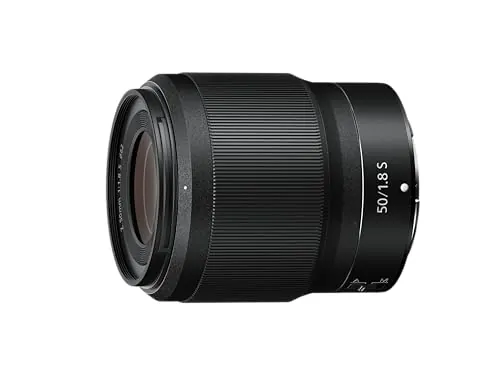
NIKKOR Z 50mm f/1.8 S
Single Nikon Z-mount prime; Nikon USA part JMA001DA; compatible with FX and DX formats.
Model 50mm f/1.8 S (Nikon USA product 20083)
Amazon ASIN B07GQ6FR5F
Nikon
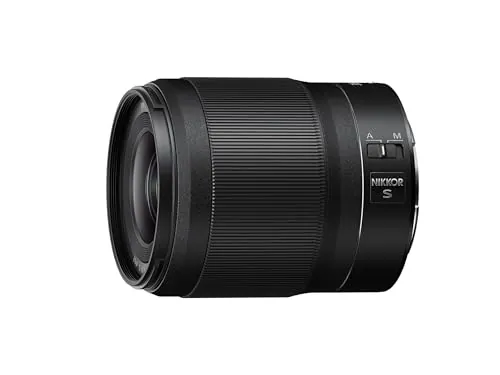
NIKKOR Z 35mm f/1.8 S
Single Nikon Z-mount prime; Nikon USA part JMA102DA; compatible with FX and DX formats.
Model 35mm f/1.8 S (Nikon USA product 20081)
Amazon ASIN B07GPVJ6HG
Differences that matter
What matters most to you?
Choose a priority to see what it changes.
Sources for Angle of view for your camera format
Sources for Close focus and the distance you can actually work at
Sources for Filter thread and bag fit
Use your camera format before choosing between 35mm and 50mm
Nikon lists both lenses as compatible with FX and DX formats, but the angle-of-view figures differ by format. On FX, the 50mm is listed at 47°00′ and the 35mm at 63°. On DX, the values are 31°30′ and 44°. Choose the pair that matches your camera body; at the same position and format, the 35mm includes a wider view and the 50mm frames more tightly.
Make a small field note from your regular shooting position: record whether you usually need to include more of the scene or frame a smaller portion. That is a more useful first-prime choice than treating the focal-length labels alone as a quality ranking. The shared f/1.8 maximum aperture and Nikon Z mount do not tell you which focal length better fits your subjects.
Translate minimum focus into real working space
Nikon lists a 0.4m minimum focus distance and 0.15× maximum reproduction ratio for the 50mm; for the 35mm it lists 0.25m and 0.19×. Those numbers give the 35mm the closer published focus limit and higher listed reproduction ratio for close-detail composition. They do not establish resolved detail, macro performance, or a particular subject size in the frame.
The distance is easy to misread: Nikon's glossary says focus distance is measured from the focal-plane mark on the camera body. It is not the free space from the front of the lens to a flower, document, or small object. If a subject must fit in a tight space, check the body's focal-plane mark and test the intended camera/subject arrangement; do not use the minimum-focus number as front-lens clearance.
Check filters and packed dimensions as a separate decision
Both Nikon pages list a 62mm screw-in filter. If you already own a 62mm threaded filter, the diameter is shared; verify the particular filter and hood instructions for the exact setup. Nikon lists the lenses at about 3 × 3.4 inches and 14.7 ounces for the 50mm, versus about 2.9 × 3.4 inches and 13.1 ounces for the 35mm. Treat these as approximate manufacturer-listed dimensions and weight, then compare them with your camera bag and body. The small difference does not establish a handling or image-quality winner.
Before ordering, confirm the listing says NIKKOR Z 50mm f/1.8 S, product 20083/JMA001DA, or NIKKOR Z 35mm f/1.8 S, product 20081/JMA102DA, as intended. This keeps the choice tied to the exact focal length and model you meant to compare.
Product details
NIKKOR Z 50mm f/1.8 S
Nikon's U.S. page identifies this as the NIKKOR Z 50mm f/1.8 S (product 20083) and lists FX/DX compatibility and specifications. Match the full lens name to the retailer offer before ordering.
- Maximum angle of view
- 47°00′ FX; 31°30′ DX Source
- Close-focus specifications
- Minimum focus distance 0.4 m; maximum reproduction ratio 0.15× Source
- Mount and supported formats
- Nikon Z mount; FX and DX Source
- Filter and approximate size
- 62 mm screw-in filter; about 3 × 3.4 in. diameter × length; 14.7 oz. Source
NIKKOR Z 35mm f/1.8 S
Nikon's U.S. page identifies this as the NIKKOR Z 35mm f/1.8 S (product 20081) and lists FX/DX compatibility and specifications. Match the full lens name to the retailer offer before ordering.
- Maximum angle of view
- 63° FX; 44° DX Source
- Close-focus specifications
- Minimum focus distance 0.25 m; maximum reproduction ratio 0.19× Source
- Mount and supported formats
- Nikon Z mount; FX and DX Source
- Filter and approximate size
- 62 mm screw-in filter; about 2.9 × 3.4 in. diameter × length; 13.1 oz. Source
Before you buy
Community discussions
Compare a new prime with the rest of your kit
NIKKOR Z 50mm f/1.8 S
A Z8 buyer who already uses the NIKKOR Z 50mm f/1.8 S on a Zfc is considering the exact Z 35mm f/1.8 S and 50mm f/1.8 S for general photography, while trying to avoid duplicating lenses across systems.
What to check
Before adding one, list the prime lenses you already use across your cameras and decide what role this lens should fill; this buyer already had the 50mm f/1.8 S in their kit and was comparing the 35mm and 50mm for a different body.
Common questions
Which angle-of-view numbers should I use on a Nikon Z DX camera?
Use the DX values Nikon lists for each lens: 31°30′ for the 50mm and 44° for the 35mm. On FX, Nikon lists 47°00′ and 63°, respectively. The pair describes which view is tighter or wider for the selected format; it is not a picture-quality comparison.NIKKOR Z 50mm f/1.8 S, Nikon USA product 20083NIKKOR Z 35mm f/1.8 S, Nikon USA product 20081
Does the 35mm's 0.25m minimum focus distance mean I can place the lens front 25cm from my subject?
No. Nikon's glossary says focus distance is measured from the focal-plane mark on the camera body. The listed minimum-focus number is not the distance from the lens front to the subject. Check the physical working space with your camera and subject before relying on a close-up setup.NIKKOR Z 35mm f/1.8 S, Nikon USA product 20081Nikon Photography Glossary: Focal Plane and Focus Distance
Can the two lenses use the same filter size?
Both Nikon USA specifications list a 62mm screw-in filter size. If your filter is threaded for 62mm, that is the shared listed diameter. Check the filter and hood guidance for your exact accessory stack and lens setup.NIKKOR Z 50mm f/1.8 S, Nikon USA product 20083NIKKOR Z 35mm f/1.8 S, Nikon USA product 20081
Does the 35mm's higher maximum reproduction ratio make it a macro lens?
Nikon lists 0.19× for the 35mm and 0.15× for the 50mm. This supports a relative close-detail framing comparison only; the cited specifications do not label either lens macro, and this guide does not test resolved detail or close-up results.NIKKOR Z 35mm f/1.8 S, Nikon USA product 20081NIKKOR Z 50mm f/1.8 S, Nikon USA product 20083
Sources and scope
This guide compares Nikon USA's listed specifications for the exact NIKKOR Z 50mm f/1.8 S product 20083/JMA001DA and Z 35mm f/1.8 S product 20081/JMA102DA. The angle-of-view values are format-specific; use the correct FX or DX figures for the body. Minimum focus distance is measured from the camera body's focal-plane mark, not from the lens front. No matched testing of sharpness, autofocus, bokeh, distortion, flare, low-light performance, subject isolation, or macro detail is represented. Shared mount and f/1.8 maximum aperture do not establish equivalent image results.
Related comparisons
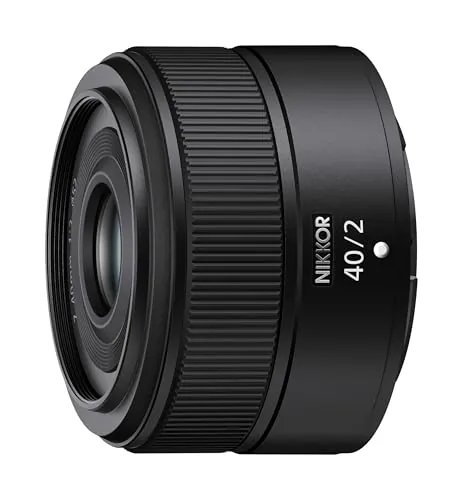
NIKKOR Z 50mm f/1.8 S vs Z 40mm f/2: Framing and Carry Fit
Both exact Nikon Z lenses work on FX and DX bodies, but their published angles of view differ on each format. The 40mm f/2 is shorter and lighter with a 52 mm filter thread; the 50mm f/1.8 S uses 62 mm filters and Nikon lists a hood and case among its supplied accessories. Check the angle for your sensor format and the exact retailer box before buying.
Read comparison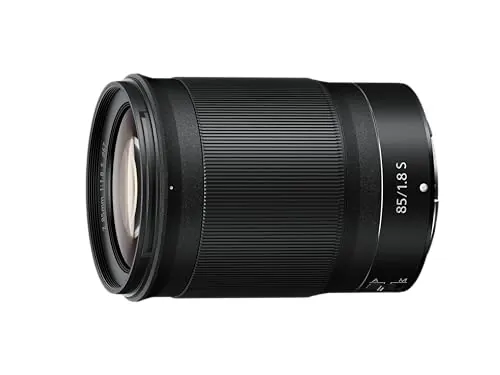
Nikon NIKKOR Z 50mm f/1.8 S vs 85mm f/1.8 S: Framing, Filters and Carry
Both are Nikon Z-mount f/1.8 prime lenses, but the 50mm records a wider listed angle of view and is shorter, lighter and built for a 62mm filter; the 85mm gives a tighter listed angle and uses a 67mm filter. Nikon markets the 85mm toward portraits and similar tighter subjects. Choose by your camera format, subject distance, existing filters and bag space. These published specifications do not establish a sharpness, autofocus or background-rendering winner.
Read comparison