
Products compared
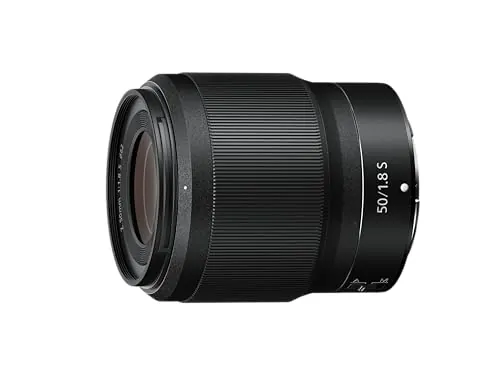
Nikon
Nikon NIKKOR Z 50mm f/1.8 S
Black U.S. Nikon Z-mount prime lens; listing data part number JMA001DA, Nikon U.S. model 20083.
Model NIKKOR Z 50mm f/1.8 S (U.S. model 20083)
Amazon ASIN B07GQ6FR5F
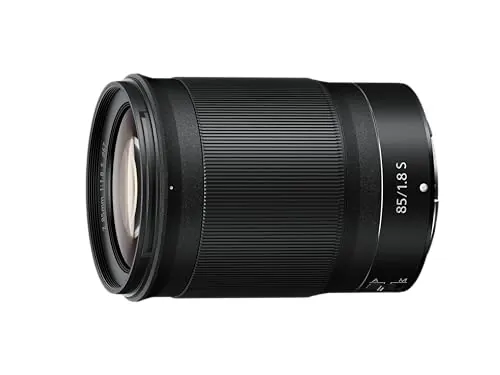
Nikon
Nikon NIKKOR Z 85mm f/1.8 S
Black U.S. Nikon Z-mount prime lens; listed model/part number 20090.
Model NIKKOR Z 85mm f/1.8 S (U.S. model 20090)
Amazon ASIN B07VQWGNHR
Differences that matter
Sources for Listed maximum angle of view
Sources for Space for a chosen framing
Sources for Approximate lens size and weight
Sources for Direct screw-in filter size
Sources for Nikon's published subject emphasis
Choose the view that fits your shooting position
Nikon lists a wider maximum angle of view for the 50mm than the 85mm on both formats: 47°00′ versus 28°30′ on FX, and 31°30′ versus 18°50′ on DX. On the same camera format and from the same location, the 50mm includes more of the scene; the 85mm frames more tightly.
Use that difference to plan a real scene. If you are photographing people in a small room and cannot step farther back, the wider 50mm view may make it easier to include context from your current position. If you want a tighter subject framing and can increase camera-to-subject distance, the 85mm may fit. This is a geometry-based choice: it does not predict which lens makes a more flattering portrait or higher-quality image.
Check your actual room before committing to 85mm framing
For a planned portrait, stand where you expect the camera to be and have someone stand at the subject position. Consider whether you can move the camera farther back while keeping the composition you want. The longer focal length's narrower angle generally requires more subject distance for the same framing on the same format.
Do not substitute Nikon's minimum-focus distance for that check: minimum focus describes how close a lens can focus, while portrait framing depends on the camera-to-subject distance you need in your chosen room. If the camera position cannot move, a fixed prime cannot zoom wider or tighter; compare a zoom lens if that flexibility is essential.
Plan filter and bag fit from the published dimensions
The 50mm uses a 62mm screw-in filter; the 85mm uses a 67mm filter. If you already own a polarizer, ND filter or protective filter, check its rim size before buying. A different-size filter will need an appropriate step ring, and a ring does not guarantee every hood or stacked-filter setup will clear.
Nikon lists the 50mm at approximately 86.5 mm long and 415 g, compared with approximately 99 mm and 470 g for the 85mm. That makes the 50mm about 12.5 mm shorter and 55 g lighter on the published figures. The 85mm product page is explicitly positioned toward portraits, headshots, fashion, weddings, tight video shots and street photography; use that as Nikon's intended-use framing, not as proof of superior results in those genres.
Product details
Nikon NIKKOR Z 50mm f/1.8 S
Before you buy
Community discussions
Check how a prime fits your travel kit
Nikon NIKKOR Z 50mm f/1.8 S
A Z6 owner who travels and already carries 26mm and 40mm primes is weighing the exact 50mm f/1.8 S against the 85mm f/1.8 S, including whether the latter would be packed often.
What to check
Compare your existing kit and travel habits before buying another prime: this buyer was concerned the 50mm might overlap with a 40mm already carried and was unsure how often the 85mm would make the trip.
Common questions
Which lens shows more of the scene from the same position?
The 50mm. Nikon lists its maximum angle of view as 47°00′ for FX and 31°30′ for DX, versus 28°30′ FX and 18°50′ DX for the 85mm. Use the figures matching your camera format.NIKKOR Z 50mm f/1.8 S | Nikon USA, model 20083NIKKOR Z 85mm f/1.8 S | Nikon USA, model 20090
Will an 85mm need more room than a 50mm for the same subject framing?
Usually, yes: from the same camera format, the 85mm gives a narrower view, so you generally need to move farther back to keep the same subject framing. Check the room and camera position you actually have; this is not a measured distance promise.NIKKOR Z 50mm f/1.8 S | Nikon USA, model 20083NIKKOR Z 85mm f/1.8 S | Nikon USA, model 20090
Do the two lenses use the same filters?
No. Nikon lists a 62mm screw-in filter for the 50mm and a 67mm screw-in filter for the 85mm. Check your existing filters and any step-ring plan before ordering.NIKKOR Z 50mm f/1.8 S | Nikon USA, model 20083NIKKOR Z 85mm f/1.8 S | Nikon USA, model 20090
Is the 85mm automatically better for portraits?
Nikon markets the 85mm for portraits and related tighter-subject work, and its narrower view can suit that framing when you have enough room. That product positioning does not establish a tested portrait-quality winner; neither lens is compared here for sharpness, bokeh or autofocus results.NIKKOR Z 50mm f/1.8 S | Nikon USA, model 20083NIKKOR Z 85mm f/1.8 S | Nikon USA, model 20090
How much smaller and lighter is the 50mm?
Nikon lists the 50mm at approximately 86.5 mm long and 415 g, and the 85mm at approximately 99 mm and 470 g. The difference is about 12.5 mm in length and 55 g using those published figures; actual kit balance depends on your camera body and accessories.NIKKOR Z 50mm f/1.8 S | Nikon USA, model 20083NIKKOR Z 85mm f/1.8 S | Nikon USA, model 20090
Sources and scope
This is a Nikon-specification-based framing and equipment-fit guide, not an optical or hands-on test. Working-space advice is a conditional framing implication for the same camera format and chosen subject framing; it is not a measured portrait distance or a minimum-focus comparison. Nikon's product descriptions indicate intended subject contexts, not proof that either lens produces better portraits, sharper images, more pleasing bokeh, or better autofocus. Specifications are approximate where Nikon labels them approximate.
Related comparisons
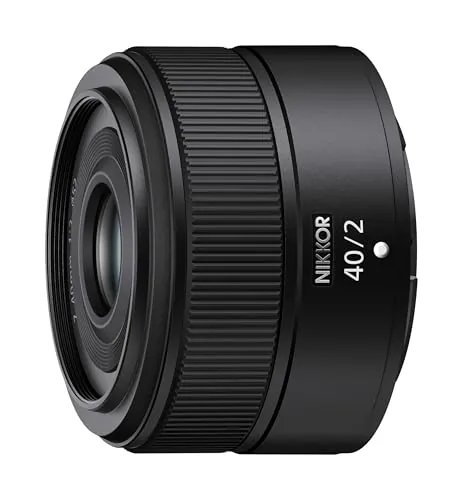
NIKKOR Z 50mm f/1.8 S vs Z 40mm f/2: Framing and Carry Fit
Both exact Nikon Z lenses work on FX and DX bodies, but their published angles of view differ on each format. The 40mm f/2 is shorter and lighter with a 52 mm filter thread; the 50mm f/1.8 S uses 62 mm filters and Nikon lists a hood and case among its supplied accessories. Check the angle for your sensor format and the exact retailer box before buying.
Read comparison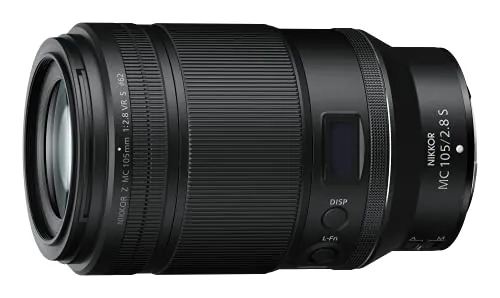
Nikon Z MC 105mm f/2.8 VR S vs Z 85mm f/1.8 S: Macro or Portrait Setup
Nikon lists the Z MC 105mm f/2.8 VR S at 1:1 maximum reproduction and the Z 85mm f/1.8 S at 0.12x, so start with the size of subject detail you need. The MC 105mm manual also explains how to set a reproduction ratio and why its effective aperture changes as you focus close: f/2.8 selected at infinity is f/4.5 effective at the 0.29m focus distance. Nikon measures those minimum-focus distances from the focal plane; they are not the space between the lens front and your subject. The 85mm is shorter and lighter by Nikon's lens-only figures, while its listed maximum aperture is f/1.8.
Read comparison