Pickagu

Camera Lenses

Find your model below to compare what is included and how the differences affect everyday use.

31 comparisons

Camera Lenses comparisons

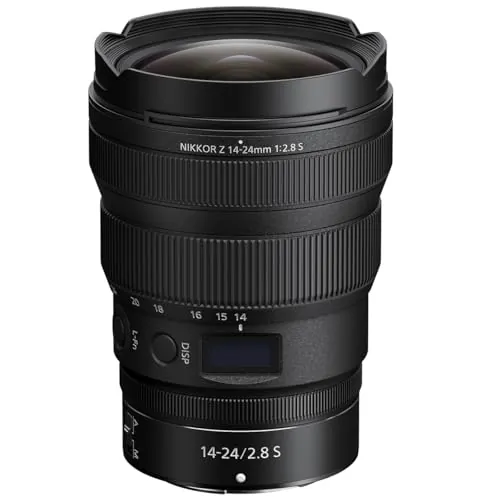
Nikon NIKKOR Z 14-24mm f/2.8 S Ultra-Wide Zoom Lens · Nikon USA model 20097
Nikon NIKKOR Z 14-24mm f/2.8 S Ultra-Wide Zoom Lens
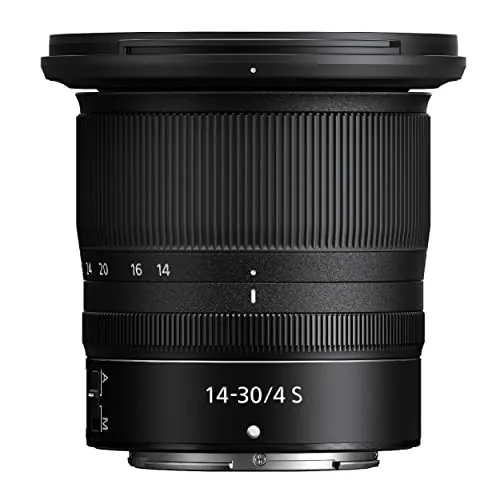
Nikon NIKKOR Z 14-30mm f/4 S Ultra-Wide Zoom Lens · Nikon USA model 20070
Nikon NIKKOR Z 14-30mm f/4 S Ultra-Wide Zoom Lens

Nikon Z 14-24mm f/2.8 S vs 14-30mm f/4 S: Filters, Range and Packing

Both assigned U.S. listings are Nikon Z-mount FX ultra-wide zooms beginning at 14mm. Nikon lists the NIKKOR Z 14-24mm f/2.8 S (model 20097) at 14–24mm with a constant f/2.8 maximum aperture. The NIKKOR Z 14-30mm f/4 S (model 20070) reaches 30mm at f/4 and accepts 82mm screw-in filters. The 14-24 instead uses a 112mm front screw-in filter with the HB-97 hood, or a separate cut-to-fit sheet filter in its rear slot. The 14-30 retracts to about 85mm from the camera mount for storage, but Nikon says it must be extended before taking pictures. Choose by exposure aperture, the 24–30mm framing you use, your existing filters and how you pack the lens.

Read comparison
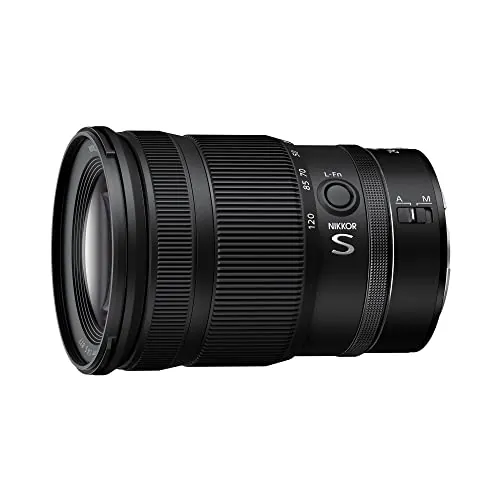
NIKKOR Z 24-120mm f/4 S · 20105 / NIKKOR Z 24-120mm f/4 S
NIKKOR Z 24-120mm f/4 S
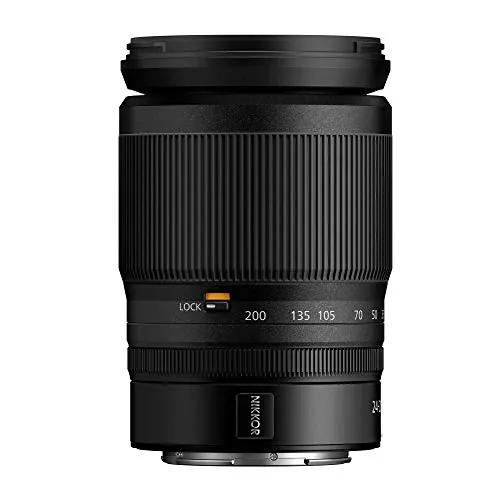
NIKKOR Z 24-200mm f/4-6.3 VR · 20092 / NIKKOR Z 24-200mm f/4-6.3 VR
NIKKOR Z 24-200mm f/4-6.3 VR

NIKKOR Z 24-120mm f/4 S vs 24-200mm f/4-6.3 VR: Constant Aperture or More Reach?

Both Nikon Z zooms start at 24mm and work on FX and DX bodies. The NIKKOR Z 24-120mm f/4 S keeps a maximum f/4 aperture across its 24–120mm range; the 24-200mm f/4-6.3 VR reaches 200mm, with a maximum aperture that varies to f/6.3 and an in-lens VR rating. The 24-200mm is listed at 570g with a 67mm filter thread, versus 630g and 77mm for the 24-120mm. Choose by your usual framing, stabilization setup, and filter/carry kit—not a claimed optical test result.

Read comparison
NIKKOR Z 24-120mm f/4 S · Nikon USA model 20105
NIKKOR Z 24-120mm f/4 S
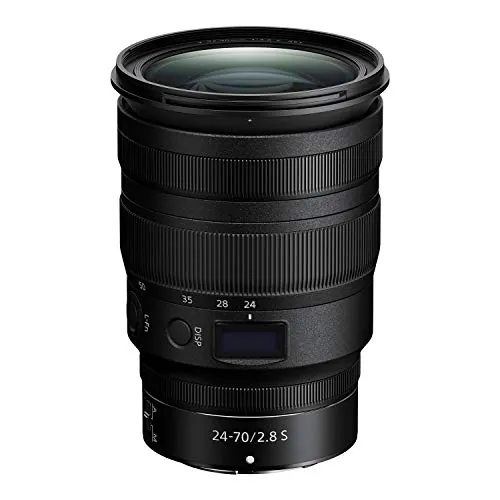
NIKKOR Z 24-70mm f/2.8 S · Original Nikon USA model 20089, not S II
NIKKOR Z 24-70mm f/2.8 S

Nikon Z 24-120mm f/4 S vs Z 24-70mm f/2.8 S: Range, Aperture and Filter Fit

The NIKKOR Z 24-120mm f/4 S (Nikon USA model 20105) keeps a single zoom going to 120mm, with a 77mm filter thread and 630g listed lens-only weight. The original NIKKOR Z 24-70mm f/2.8 S (model 20089) stops at 70mm but lists f/2.8 across its range, an 82mm filter thread and 805g lens-only weight. Both are Z-mount lenses. Decide from your framing and exposure plan, then verify the thread on your existing filter and the space in your bag with the full kit.

Read comparison
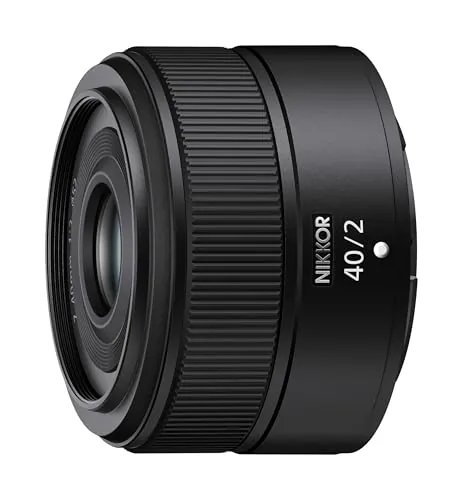
Nikon NIKKOR Z 40mm f/2 · NIKKOR Z 40mm f/2 (20102)
Nikon NIKKOR Z 40mm f/2
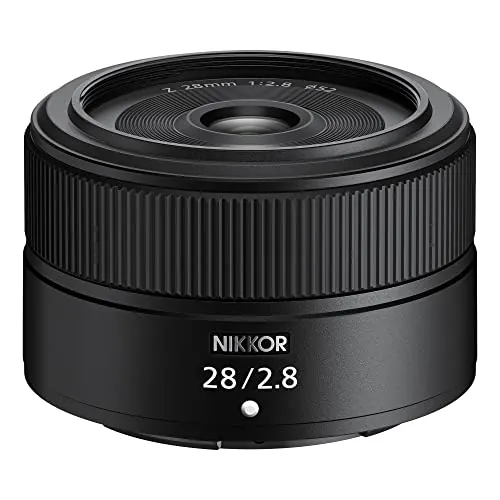
Nikon NIKKOR Z 28mm f/2.8 · NIKKOR Z 28mm f/2.8 (20101), standard non-SE
Nikon NIKKOR Z 28mm f/2.8

Nikon NIKKOR Z 40mm f/2 vs 28mm f/2.8: Framing, Close Focus and Filter Fit

This is the standard black NIKKOR Z 28mm f/2.8 (Nikon model 20101), not the separately listed 28mm f/2.8 SE. Both assigned products are FX-format Z-mount primes with a 52mm filter thread. On FX, Nikon lists a 75° angle of view for the 28mm and 57° for the 40mm; on DX the figures are 53° and 38°50′. The 40mm has the wider maximum aperture (f/2 versus f/2.8), while the 28mm focuses closer from the camera's focal plane (0.19m versus 0.29m). Pick based on framing and working setup, not an unverified image-quality ranking.

Read comparison
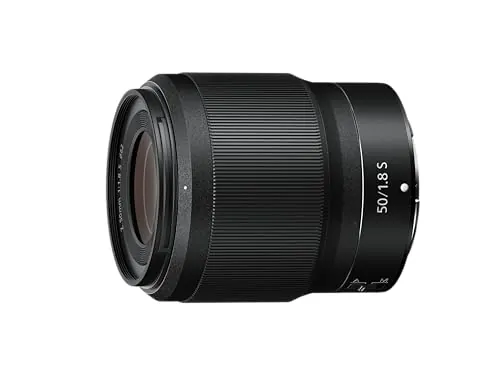
Nikon NIKKOR Z 50mm f/1.8 S · NIKKOR Z 50mm f/1.8 S (U.S. model 20083)
Nikon NIKKOR Z 50mm f/1.8 S
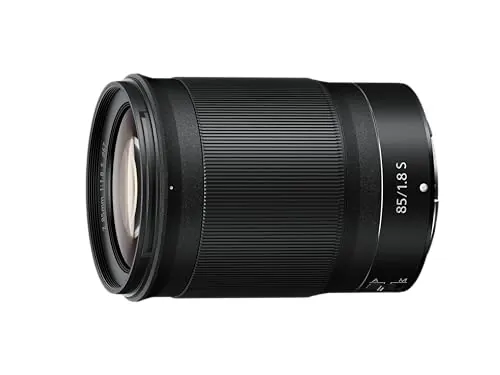
Nikon NIKKOR Z 85mm f/1.8 S · NIKKOR Z 85mm f/1.8 S (U.S. model 20090)
Nikon NIKKOR Z 85mm f/1.8 S

Nikon NIKKOR Z 50mm f/1.8 S vs 85mm f/1.8 S: Framing, Filters and Carry

Both are Nikon Z-mount f/1.8 prime lenses, but the 50mm records a wider listed angle of view and is shorter, lighter and built for a 62mm filter; the 85mm gives a tighter listed angle and uses a 67mm filter. Nikon markets the 85mm toward portraits and similar tighter subjects. Choose by your camera format, subject distance, existing filters and bag space. These published specifications do not establish a sharpness, autofocus or background-rendering winner.

Read comparison
Nikon NIKKOR Z 14-30mm f/4 S · NIKKOR Z 14-30mm f/4 S (US model 20070)
Nikon NIKKOR Z 14-30mm f/4 S
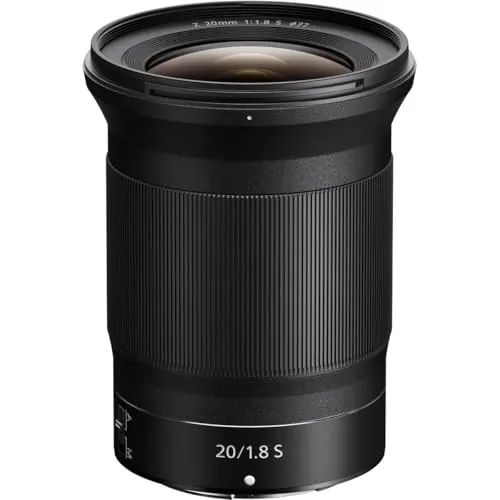
Nikon NIKKOR Z 20mm f/1.8 S · NIKKOR Z 20mm f/1.8 S (US model 20093)
Nikon NIKKOR Z 20mm f/1.8 S

Nikon NIKKOR Z 14-30mm f/4 S vs 20mm f/1.8 S: Zoom Range, Aperture and Filters

For the exact US models 20070 (Nikon NIKKOR Z 14-30mm f/4 S) and 20093 (NIKKOR Z 20mm f/1.8 S), the practical choice is a zoom workflow versus a fixed-prime workflow. Nikon specifies the 14-30mm as a constant-f/4 zoom and the 20mm as an f/1.8 prime. Both cover a 20mm focal length, but only the zoom also reaches 14mm and 30mm. Their screw-in filter threads differ: 82mm for the zoom and 77mm for the prime. Nikon’s 14-30mm packing-length descriptions differ between its product page and press release, so check physical clearance for a close-fit bag instead of assuming a size advantage.

Read comparison
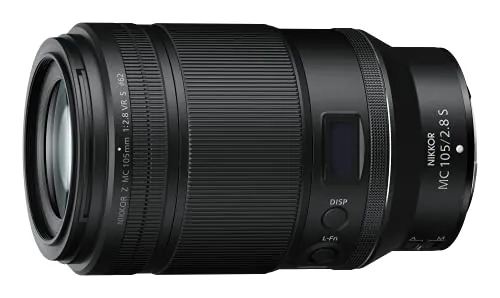
Nikon NIKKOR Z MC 105mm f/2.8 VR S · NIKKOR Z MC 105mm f/2.8 VR S (U.S. model 20100)
Nikon NIKKOR Z MC 105mm f/2.8 VR S
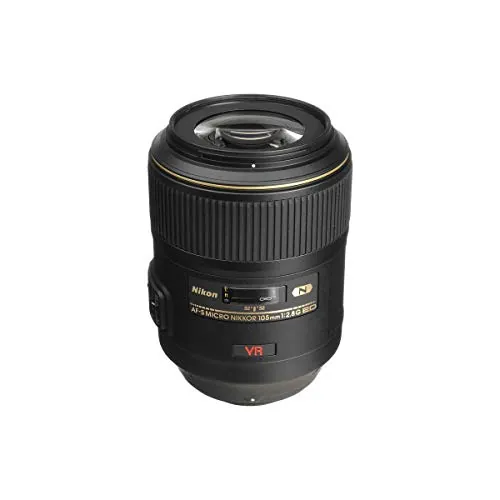
Nikon AF-S VR Micro-Nikkor 105mm f/2.8G IF-ED · AF-S VR Micro-Nikkor 105mm f/2.8G IF-ED (U.S. model 2160; JAA630DB)
Nikon AF-S VR Micro-Nikkor 105mm f/2.8G IF-ED

Nikon Z MC 105mm vs AF-S VR Micro-Nikkor 105mm: Mount, Macro Setup and FTZ

The Nikon NIKKOR Z MC 105mm f/2.8 VR S (U.S. model 20100) mounts directly on Z bodies. The AF-S VR Micro-Nikkor 105mm f/2.8G IF-ED (U.S. model 2160) is an F-mount lens; on a compatible Z body it requires Nikon FTZ or FTZ II, while on a compatible F-mount DSLR it mounts directly. Both are listed for life-size 1:1 reproduction and a 62mm filter. Choose by body/adapter path, control layout and macro workflow. Nikon's f/2.8 maximum-aperture labels do not mean f/2.8 effective aperture at close focus.

Read comparison
NIKKOR Z 14-24mm f/2.8 S · 20097
NIKKOR Z 14-24mm f/2.8 S
NIKKOR Z 20mm f/1.8 S · 20093
NIKKOR Z 20mm f/1.8 S

NIKKOR Z 14-24mm f/2.8 S vs Z 20mm f/1.8 S: Framing, Filters, and Carry

Both lenses are full-frame FX NIKKOR Z lenses and mount directly to compatible Nikon Z cameras. The 14-24mm f/2.8 S is a zoom that covers 114° to 84° on FX and takes 112mm front screw-in filters with the HB-97 hood, plus trimmed rear gel filters. The 20mm f/1.8 S is a fixed 94° view with a conventional 77mm screw-in filter thread. Nikon lists the 14-24mm at 650 g and 88.5 × 124.5 mm, versus 505 g and 84.5 × 108.5 mm for the 20mm. Choose by whether changing framing without changing lenses, a fixed 20mm view, the filter kit you already own, or the packed size matters most.

Read comparison
Nikon NIKKOR Z MC 105mm f/2.8 VR S · Nikon USA model 20100
Nikon NIKKOR Z MC 105mm f/2.8 VR S
Nikon NIKKOR Z 85mm f/1.8 S · Nikon USA model 20090
Nikon NIKKOR Z 85mm f/1.8 S

Nikon Z MC 105mm f/2.8 VR S vs Z 85mm f/1.8 S: Macro or Portrait Setup

Nikon lists the Z MC 105mm f/2.8 VR S at 1:1 maximum reproduction and the Z 85mm f/1.8 S at 0.12x, so start with the size of subject detail you need. The MC 105mm manual also explains how to set a reproduction ratio and why its effective aperture changes as you focus close: f/2.8 selected at infinity is f/4.5 effective at the 0.29m focus distance. Nikon measures those minimum-focus distances from the focal plane; they are not the space between the lens front and your subject. The 85mm is shorter and lighter by Nikon's lens-only figures, while its listed maximum aperture is f/1.8.

Read comparison
NIKKOR Z 24-70mm f/2.8 S · 20089
NIKKOR Z 24-70mm f/2.8 S
NIKKOR Z 24-200mm f/4-6.3 VR · 20092
NIKKOR Z 24-200mm f/4-6.3 VR

NIKKOR Z 24-70mm f/2.8 S vs Z 24-200mm f/4-6.3 VR: Range, Stabilization and Carry

The original NIKKOR Z 24-70mm f/2.8 S (model 20089) keeps a constant f/2.8 maximum aperture across 24–70mm and relies on compatible Z camera in-body VR for its listed five-axis stabilization behavior. The NIKKOR Z 24-200mm f/4-6.3 VR (model 20092) reaches 200mm, has lens VR, and takes smaller 67mm screw-in filters instead of 82mm. Nikon lists these lenses at 805g and 570g; screen your focal needs, camera body's stabilization, existing filters and packed size before choosing.

Read comparison
Nikon NIKKOR Z 40mm f/2 · 20102
Nikon NIKKOR Z 40mm f/2
Nikon NIKKOR Z 35mm f/1.8 S · 20081
Nikon NIKKOR Z 35mm f/1.8 S

Nikon NIKKOR Z 40mm f/2 vs 35mm f/1.8 S: Framing, Close Focus and Carry

Both are Nikon Z-mount primes that Nikon lists as compatible with FX and DX bodies. Nikon's listed angle of view is wider on the 35mm f/1.8 S; the 40mm f/2 is 200 g lighter and 40.5 mm shorter by listed body dimensions. The 35mm focuses closer on the published minimum-focus specification, but that number is not the free space between the front of the lens and a subject. Check framing on your own FX/DX body and test tabletop clearance in the actual setup.

Read comparison
NIKKOR Z 50mm f/1.8 S · 50mm f/1.8 S (Nikon USA product 20083)
NIKKOR Z 50mm f/1.8 S
NIKKOR Z 35mm f/1.8 S · 35mm f/1.8 S (Nikon USA product 20081)
NIKKOR Z 35mm f/1.8 S

Nikon Z 50mm f/1.8 S vs Z 35mm f/1.8 S: FX/DX Framing and Close Focus

Nikon lists both S-line primes for Z-mount FX and DX cameras, with a shared f/1.8 maximum aperture and 62mm screw-in filter size. The 35mm has a wider listed angle of view in both formats and focuses closer on paper; the 50mm gives a tighter view. Nikon measures focus distance from the camera's focal-plane mark, so the 0.25m and 0.4m figures are not the space from the front of the lens to your subject. Choose with the FX or DX values for your body and the real working space you need.

Read comparison
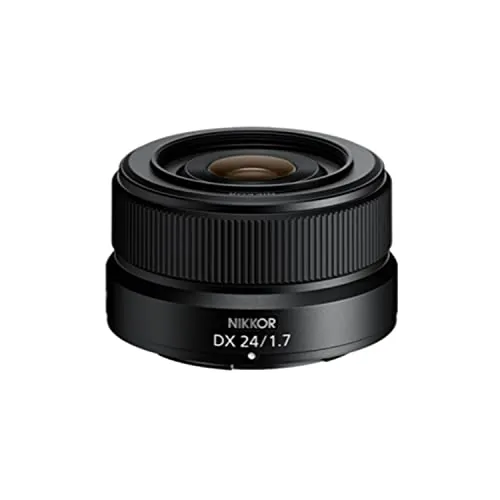
Nikon NIKKOR Z DX 24mm f/1.7 · 20119
Nikon NIKKOR Z DX 24mm f/1.7
Nikon NIKKOR Z 28mm f/2.8 · 20101
Nikon NIKKOR Z 28mm f/2.8

Nikon NIKKOR Z DX 24mm f/1.7 vs NIKKOR Z 28mm f/2.8: DX Crop or FX Coverage?

These lenses share Nikon’s Z mount but cover different sensor formats. The DX 24mm f/1.7 gives a wider 61° view on DX and, on an FX body, Nikon says the camera uses the DX image area with fewer recorded pixels and focus points. The regular, non-SE 28mm f/2.8 supports FX coverage and records a 53° view on DX. Decide by the camera format and framing you actually need, then check aperture, close-focus distance and filter size.

Read comparison
Nikon NIKKOR Z 40mm f/2 Lens · 20102
Nikon NIKKOR Z 40mm f/2 Lens
Nikon NIKKOR Z DX 24mm f/1.7 Lens · 20119
Nikon NIKKOR Z DX 24mm f/1.7 Lens

Nikon Z 40mm f/2 vs Z DX 24mm f/1.7: Choose Your Frame and Format

On the same Nikon DX body from the same position, the NIKKOR Z DX 24mm f/1.7 records a wider view (61°) than the regular, non-SE NIKKOR Z 40mm f/2 (38°50′). Choose 24mm when a small room or group scene leaves little room to step back. Choose 40mm for a tighter DX composition or when your lens plan needs full FX image-area coverage. The DX 24mm still mounts on an FX-format Z camera, but Nikon says it switches the camera to DX image area, reducing recorded pixels and focus points. Both are fixed primes; compare their exact f-number, filter size and supplied accessories before ordering.

Read comparison
Nikon NIKKOR Z 40mm f/2 · NIKKOR Z 40mm f/2, U.S. model 20102 (standard version)
Nikon NIKKOR Z 40mm f/2
Nikon NIKKOR Z 35mm f/1.4 · NIKKOR Z 35mm f/1.4, U.S. model 20126
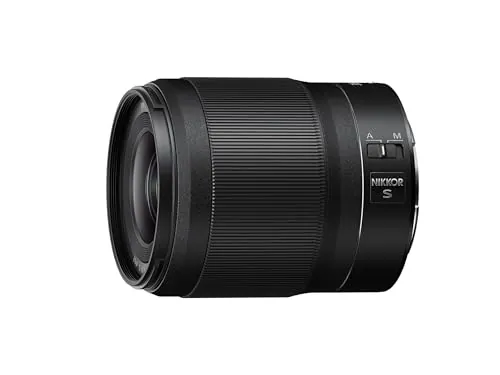
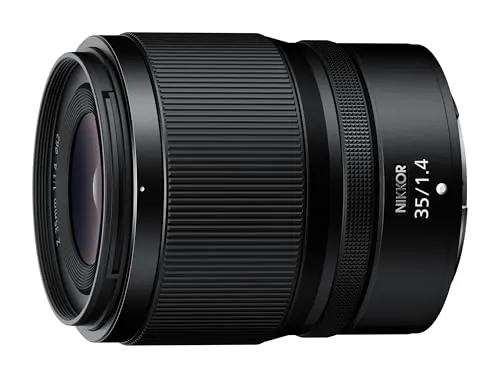
Nikon NIKKOR Z 35mm f/1.4

Nikon NIKKOR Z 40mm f/2 vs Z 35mm f/1.4: Framing, Filters and Carry Weight

These are two different Nikon Z primes, not an aperture-only swap. The 40mm f/2 is listed at 170 g with a 52mm screw-in filter; the 35mm f/1.4 is listed at 415 g with a 62mm screw-on filter. Their listed field angles differ on both FX and DX bodies, so check the framing you want before weighing the aperture and carry trade-off.

Read comparison
Nikon AF-S DX NIKKOR 55-300mm f/4.5-5.6G ED VR · 2197
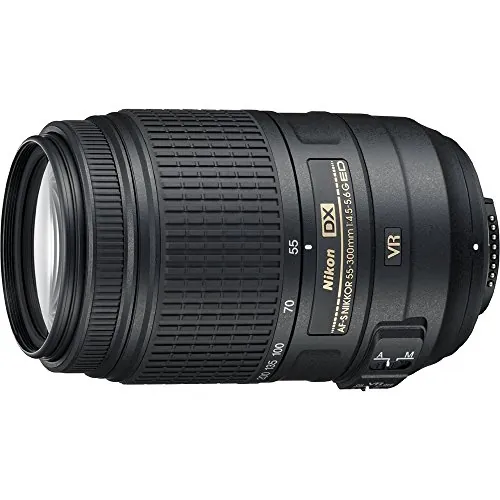
Nikon AF-S DX NIKKOR 55-300mm f/4.5-5.6G ED VR
Nikon AF-S DX VR Zoom-NIKKOR 55-200mm f/4-5.6G IF-ED · 2166
Nikon AF-S DX VR Zoom-NIKKOR 55-200mm f/4-5.6G IF-ED

Nikon 55-300mm VR II vs 55-200mm VR: Reach, Focus and Carry

Both are Nikon F-mount DX AF-S VR telephoto zooms starting at 55mm. The 2197 reaches 300mm and weighs about 580g; the older 2166 tops out at 200mm and weighs about 335g. Their stated minimum focus distances and filter sizes differ too. Verify your camera body and the exact renewed or white-box offer before buying.

Read comparison
Nikon NIKKOR Z 35mm f/1.8 S · JMA102DA
Nikon NIKKOR Z 35mm f/1.8 S
Nikon NIKKOR Z 28mm f/2.8 · 20101
Nikon NIKKOR Z 28mm f/2.8

Nikon NIKKOR Z 35mm f/1.8 S vs 28mm f/2.8: Framing, Filters and Carry

The standard NIKKOR Z 28mm f/2.8 lists a wider angle of view and a much shorter, lighter lens body; the NIKKOR Z 35mm f/1.8 S lists a narrower view and a larger 62 mm filter thread. On FX and DX, use Nikon's separate angle-of-view figures to check your usual camera position. Confirm the exact 28mm listing is the standard model, not the separately listed SE edition.

Read comparison