
Products compared
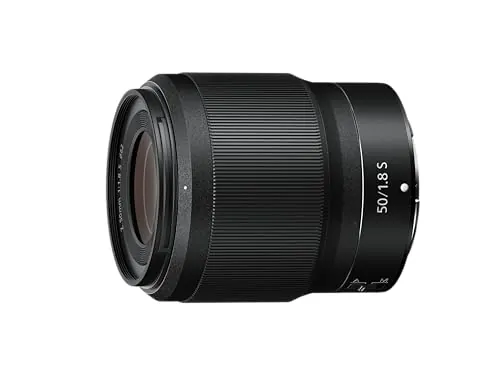
Nikon
NIKKOR Z 50mm f/1.8 S
Nikon USA's FX-format 50mm f/1.8 S lens; compatible with FX and DX Z cameras.
Model 20083 (Nikon USA product); JMA001DA
Amazon ASIN B07GQ6FR5F
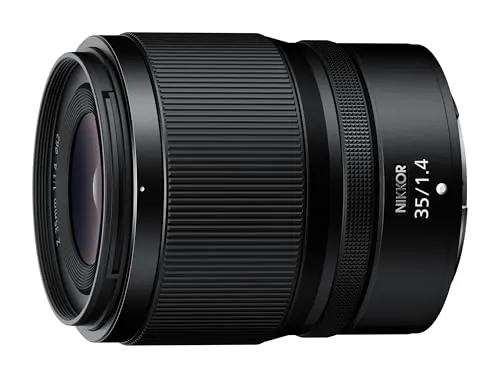
Nikon
NIKKOR Z 35mm f/1.4
Nikon USA's FX-format 35mm f/1.4 lens; compatible with FX and DX Z cameras.
Model 20126
Amazon ASIN B0D83PR5SQ
Differences that matter
Wider view on your body format
NIKKOR Z 35mm f/1.4 · Nikon lists the 35mm at a wider maximum angle on both FX (63° vs 47°) and DX (44° vs 31°30′).
View 20126 on Amazon (paid link)Sources for Maximum angle of view (FX)
Sources for Listed maximum aperture
Sources for Maximum angle of view (DX)
Sources for Minimum focus / maximum reproduction ratio
Sources for Filter size / listed weight
Sources for Nikon standard supplied-accessory lists
Start with the frame you need
These are two fixed-focal-length Nikon Z lenses in the FX format. Nikon lists the 35mm with a wider angle of view than the 50mm on both FX and DX bodies: 63° versus 47° on FX, and 44° versus 31°30′ on DX. If a scene often feels too tight, the 35mm's published view gives you more width; if you want a narrower frame from the same camera position, the 50mm is the closer match. Check your body's format before choosing.
The focal lengths remain 35mm and 50mm; the angle changes with camera format. This comparison uses Nikon's stated specifications and does not claim one lens produces better images.
Close focus is a separate decision
Nikon lists a 0.4m minimum-focus distance and 0.15× maximum reproduction ratio for the 50mm; the 35mm lists 0.27m and 0.18×. The 35mm therefore has the shorter published minimum-focus distance and higher listed reproduction ratio. Nikon's minimum-focus distance is measured from the camera's focal plane, so it is not the amount of open space between the subject and the front of the lens. If that clearance matters for food, tabletop objects or products, check a working-distance diagram or measure the setup you need.
Filter, carry weight and box check
Nikon lists both lenses at 415g (14.7oz) and with 62mm screw-on filters, so those published figures do not distinguish them. Nikon's global standard accessory lists name an HB-90 hood and CL-C1 case for the 50mm, while the 35mm list names an HB-115 hood and no case. Treat these as maker-listed standard accessories, not confirmation of the contents of a marketplace offer; check the exact U.S. seller's included-items details, especially if a hood, caps or case matter to your purchase.
A quick pre-buy check
1. Confirm whether your camera body is FX or DX and use that angle-of-view row. 2. Sketch the framing from your usual camera position: Nikon's 35mm is wider on either format. 3. If close subjects are routine, compare the 0.27m/0.18× figures for the 35mm with 0.4m/0.15× for the 50mm, while remembering the focal-plane measurement. 4. If you already own filters or need a supplied case, both share a listed 62mm filter and 415g weight, but verify the exact offer's box before ordering.
Product details
NIKKOR Z 50mm f/1.8 S
NIKKOR Z 35mm f/1.4
- Maximum angle of view
- 63° FX; 44° DX Source
- Minimum focus / maximum reproduction
- 0.27m (0.89ft) from focal plane / 0.18× Source
- Filter / weight
- 62mm / 415g (14.7oz) Source
- Manufacturer-listed supplied accessories
- LC-62B front cap, LF-N1 rear cap and HB-115 hood; Nikon's standard list does not name a case Source
Before you buy
Community discussions
Checking overlap with the lenses you already carry
NIKKOR Z 50mm f/1.8 S
A Nikon Z6 owner who traveled with 26 mm and 40 mm primes was considering the 50 mm f/1.8 S and wondering how much it would overlap with the 40 mm.
What to check
Look through photos from your usual lenses and decide when you would want a wider view or tighter framing.
Common questions
Which lens gives a wider view on my Z camera?
The 35mm is wider in Nikon's published angle-of-view figures on both formats: 63° vs 47° on FX and 44° vs 31°30′ on DX. Use the format that matches your camera body.NIKKOR Z 50mm f/1.8 S — Nikon USANIKKOR Z 35mm f/1.4 — Nikon USA
Which one focuses closer?
The 35mm lists 0.27m (0.89ft) and the 50mm 0.4m (1.32ft), both measured from the focal plane. Nikon also lists maximum reproduction ratios of 0.18× and 0.15× respectively. These are specifications, not a promise of front-element working distance.NIKKOR Z 35mm f/1.4 — Nikon USANIKKOR Z 50mm f/1.8 S specifications — Nikon Imaging Global
Do they use the same filters and weigh the same?
Nikon lists a 62mm filter size and a 415g (14.7oz) weight for each.NIKKOR Z 50mm f/1.8 S — Nikon USANIKKOR Z 35mm f/1.4 — Nikon USA
Sources and scope
This is a specification-based buying guide, not a lens test. Angle of view depends on the camera format; the two lenses' minimum-focus figures are measured from the focal plane and do not state working distance from the front element. Nikon's model pages describe standard supplied accessories, but the exact box contents for the U.S. offers compared here were not independently confirmed; verify the seller's offer before purchase.
Related comparisons
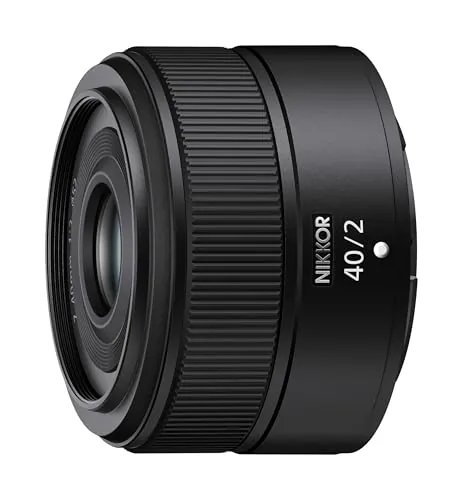
NIKKOR Z 50mm f/1.8 S vs Z 40mm f/2: Framing and Carry Fit
Both exact Nikon Z lenses work on FX and DX bodies, but their published angles of view differ on each format. The 40mm f/2 is shorter and lighter with a 52 mm filter thread; the 50mm f/1.8 S uses 62 mm filters and Nikon lists a hood and case among its supplied accessories. Check the angle for your sensor format and the exact retailer box before buying.
Read comparison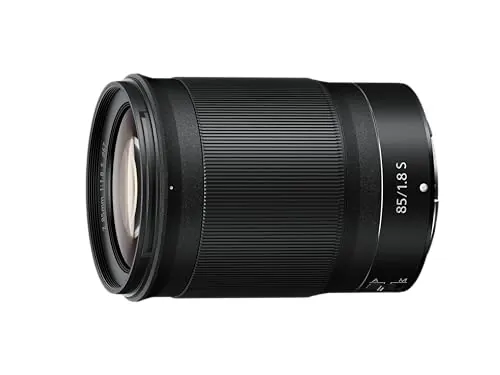
Nikon NIKKOR Z 50mm f/1.8 S vs 85mm f/1.8 S: Framing, Filters and Carry
Both are Nikon Z-mount f/1.8 prime lenses, but the 50mm records a wider listed angle of view and is shorter, lighter and built for a 62mm filter; the 85mm gives a tighter listed angle and uses a 67mm filter. Nikon markets the 85mm toward portraits and similar tighter subjects. Choose by your camera format, subject distance, existing filters and bag space. These published specifications do not establish a sharpness, autofocus or background-rendering winner.
Read comparison