Pickagu

Digital Cameras

Find your model below to compare what is included and how the differences affect everyday use.

4 comparisons

Digital Cameras comparisons

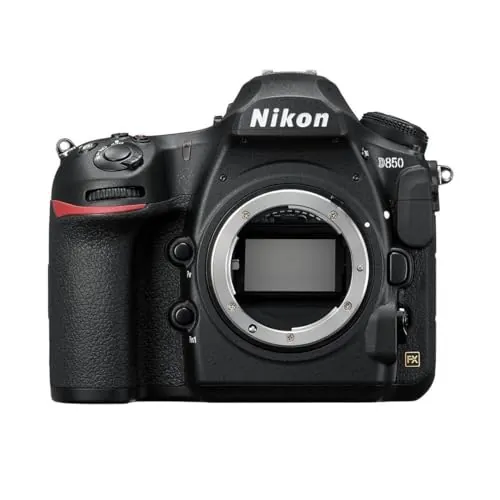
Nikon D850 FX-Format Digital SLR Camera Body · D850, US model 1585
Nikon D850 FX-Format Digital SLR Camera Body
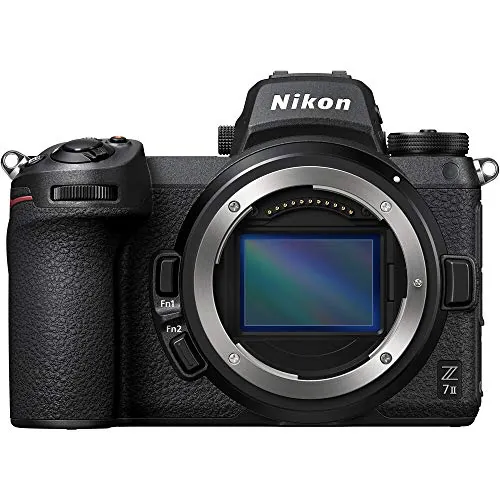
Nikon Z 7II Full-Frame Mirrorless Camera · Z 7II, US model 1653
Nikon Z 7II Full-Frame Mirrorless Camera

Nikon D850 vs Z 7II: Check Lenses, Finder and Cards First

For these Nikon US body listings, the buying decision starts with your exact lenses and viewing routine. The D850 mounts compatible F lenses directly and has an optical pentaprism finder. The Z 7II uses native Z lenses, or selected F lenses through a separately purchased FTZ adapter whose supported functions vary by lens. Its electronic finder can show configured exposure and color-setting effects. Both have two card slots, but D850 CFexpress Type B use depends on firmware and Nikon's specific card guidance.

Read comparison
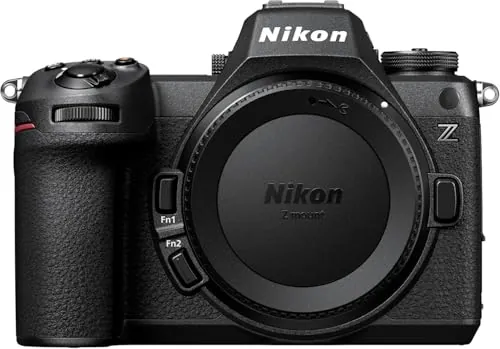
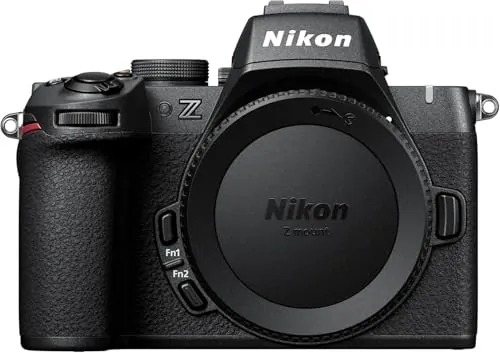
Nikon Z6III (US model 1890, body only) · Z6III / 1890
Nikon Z6III (US model 1890, body only)
Nikon Z50II (US model 1784, body only) · Z50II / 1784
Nikon Z50II (US model 1784, body only)

Nikon Z6III vs Z50II: FX, DX, and Internal Video Formats

Both are Nikon Z-mount bodies, but the Z6III uses a 24.5 MP FX sensor and adds internal N-RAW and ProRes options with two different card slots. The 20.9 MP DX Z50II records internal H.265 10-bit, uses one SD slot, and weighs about 175 g less as a body alone. If you already own DX lenses, check the crop: the Z6III fixes still-photo image area to DX with a DX lens. These assigned US selections are body-only, so verify the exact seller package before ordering.

Read comparison
Nikon Z 7II Full-Frame Mirrorless Camera · 1653
Nikon Z 7II Full-Frame Mirrorless Camera
Nikon Z50II DX-Format Mirrorless Camera · 1784
Nikon Z50II DX-Format Mirrorless Camera

Nikon Z 7II vs Z50II: Choose by Lens Coverage and Framing

The Nikon Z 7II records larger FX Large stills only with an FX-covering lens and the FX image area selected. Attach a DX lens and the Z 7II locks to DX Large at 5408 × 3600 pixels, while the Z50II's DX Large setting records 5568 × 3712. The Z50II also has a monitor that can face forward, with documented control and viewfinder limits in self-portrait mode. Decide from your actual lens, required file dimensions, framing position, and memory-card setup—not sensor labels alone.

Read comparison
Nikon Z6 III Mirrorless Camera, Black, U.S. Model · 1890
Nikon Z6 III Mirrorless Camera, Black, U.S. Model
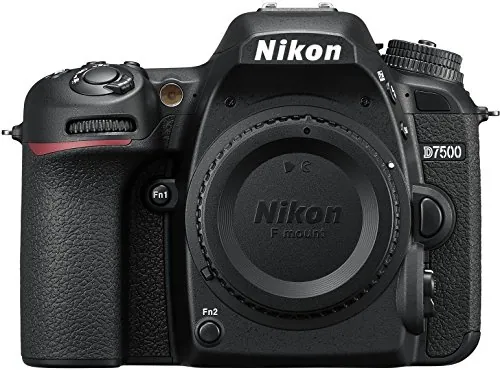
Nikon D7500 DX-Format DSLR Camera Body, U.S. Model · 1581
Nikon D7500 DX-Format DSLR Camera Body, U.S. Model

Nikon Z6 III (1890) vs D7500 (1581): Keep Your F Lenses or Move to Z?

For a D7500 owner, the first question is your lens drawer. The D7500 body uses Nikon F mount directly; the Z6 III is Z mount, so F NIKKOR lenses need an FTZ-series adapter and lens-specific checks for autofocus and other functions. The bodies also use different finders, screen movement, sensor formats, card slots and EN-EL15 battery versions. Choose by your exact lenses and shooting workflow, not an unmeasured image-quality claim.

Read comparison