Pickagu

All comparisons

Search by model or browse by category and brand pairing.

2,994 comparisons

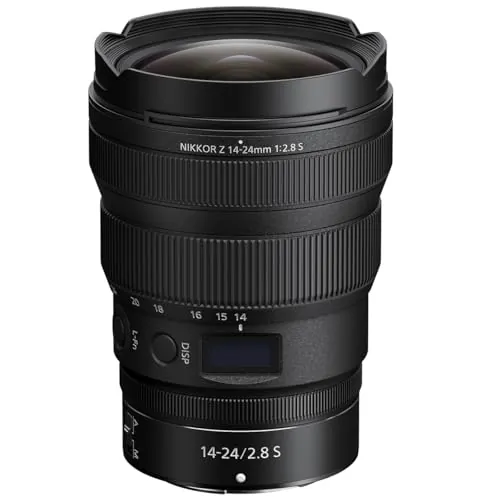
Nikon NIKKOR Z 14-24mm f/2.8 S Ultra-Wide Zoom Lens · Nikon USA model 20097
Nikon NIKKOR Z 14-24mm f/2.8 S Ultra-Wide Zoom Lens
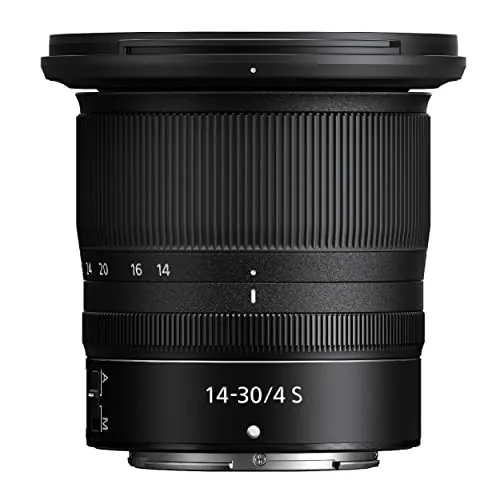
Nikon NIKKOR Z 14-30mm f/4 S Ultra-Wide Zoom Lens · Nikon USA model 20070
Nikon NIKKOR Z 14-30mm f/4 S Ultra-Wide Zoom Lens

Camera Lenses

Nikon Z 14-24mm f/2.8 S vs 14-30mm f/4 S: Filters, Range and Packing

Both assigned U.S. listings are Nikon Z-mount FX ultra-wide zooms beginning at 14mm. Nikon lists the NIKKOR Z 14-24mm f/2.8 S (model 20097) at 14–24mm with a constant f/2.8 maximum aperture. The NIKKOR Z 14-30mm f/4 S (model 20070) reaches 30mm at f/4 and accepts 82mm screw-in filters. The 14-24 instead uses a 112mm front screw-in filter with the HB-97 hood, or a separate cut-to-fit sheet filter in its rear slot. The 14-30 retracts to about 85mm from the camera mount for storage, but Nikon says it must be extended before taking pictures. Choose by exposure aperture, the 24–30mm framing you use, your existing filters and how you pack the lens.

Read comparison
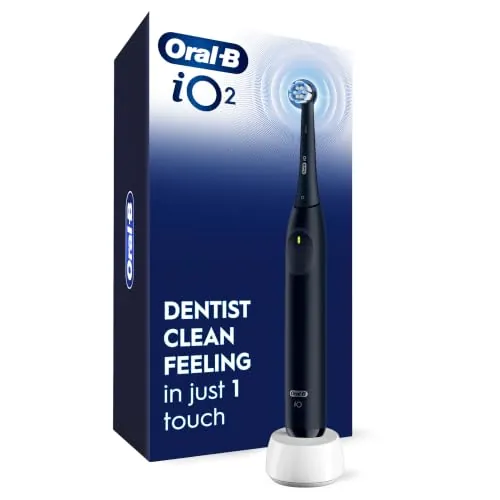
Oral-B iO Series 2 Rechargeable Electric Toothbrush, Night Black · iO2 / 69055142202
Oral-B iO Series 2 Rechargeable Electric Toothbrush, Night Black
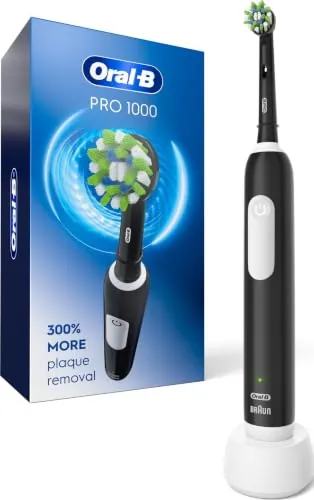
Oral-B Pro 1000 Rechargeable Electric Toothbrush, Black · Pro 1000 / 00069055125595
Oral-B Pro 1000 Rechargeable Electric Toothbrush, Black

Electric Toothbrushes

Oral-B iO2 Night Black vs Pro 1000 Black: Heads, Pressure Feedback and Controls

The Night Black iO2 slows and signals red under high pressure and uses iO-only heads. The Black Pro 1000 stops pulsations and belongs to Oral-B’s traditional non-iO head family. The accessible Pro 1000 feature source is a twin pack, so verify exact single-handle settings and contents before relying on them.

Read comparison
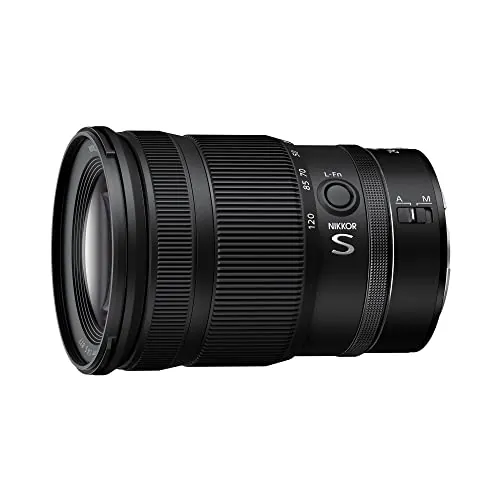
NIKKOR Z 24-120mm f/4 S · 20105 / NIKKOR Z 24-120mm f/4 S
NIKKOR Z 24-120mm f/4 S
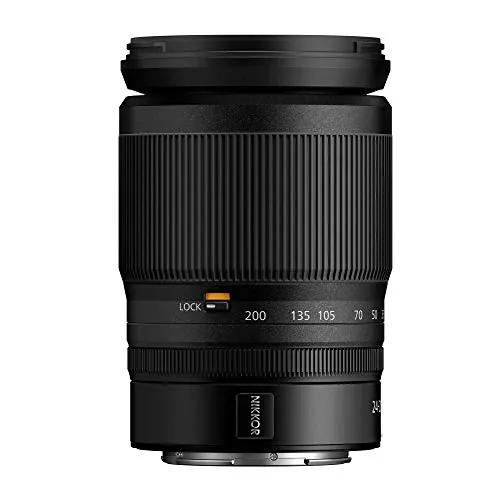
NIKKOR Z 24-200mm f/4-6.3 VR · 20092 / NIKKOR Z 24-200mm f/4-6.3 VR
NIKKOR Z 24-200mm f/4-6.3 VR

Camera Lenses

NIKKOR Z 24-120mm f/4 S vs 24-200mm f/4-6.3 VR: Constant Aperture or More Reach?

Both Nikon Z zooms start at 24mm and work on FX and DX bodies. The NIKKOR Z 24-120mm f/4 S keeps a maximum f/4 aperture across its 24–120mm range; the 24-200mm f/4-6.3 VR reaches 200mm, with a maximum aperture that varies to f/6.3 and an in-lens VR rating. The 24-200mm is listed at 570g with a 67mm filter thread, versus 630g and 77mm for the 24-120mm. Choose by your usual framing, stabilization setup, and filter/carry kit—not a claimed optical test result.

Read comparison
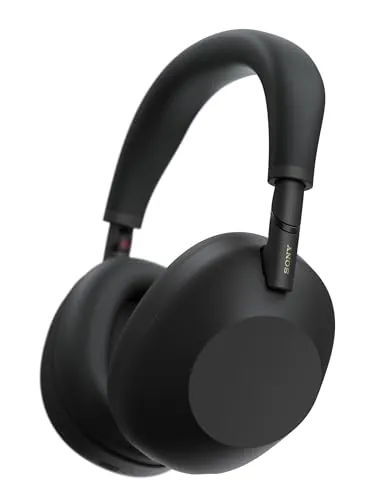
Sony WH-1000XM6 Wireless Noise Canceling Headphones · WH-1000XM6
Sony WH-1000XM6 Wireless Noise Canceling Headphones
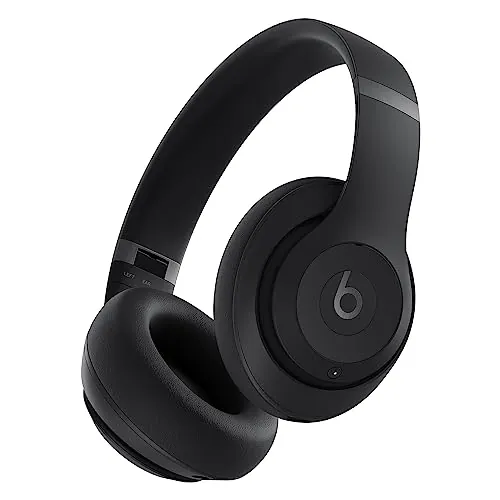
Beats Studio Pro Over-Ear Headphones · Studio Pro (MQTP3)
Beats Studio Pro Over-Ear Headphones

Headphones

Sony WH-1000XM6 vs Beats Studio Pro: Wired Audio, Controls and Phone Setup

Both exact models include a 3.5 mm listening path. Sony documents music playback with the WH-1000XM6 powered off, with noise canceling available only when powered on, and gives it a touch panel for Bluetooth control. Beats documents USB-C audio on compatible sources, including listening while charging, and uses physical earcup buttons. Sony also documents two-device Bluetooth multipoint; Beats documents Apple one-touch pairing and Android Fast Pair with platform requirements. Check your source ports and device workflow before choosing.

Read comparison
NIKKOR Z 24-120mm f/4 S · Nikon USA model 20105
NIKKOR Z 24-120mm f/4 S
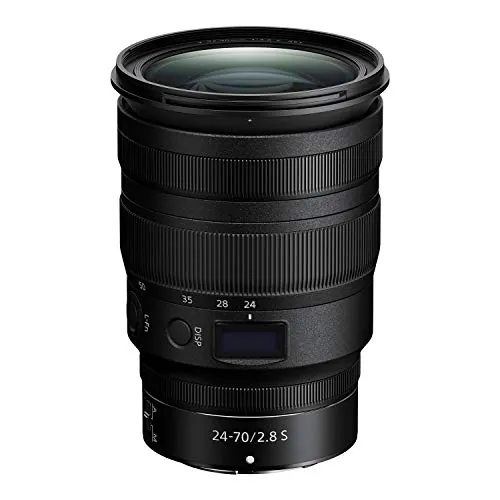
NIKKOR Z 24-70mm f/2.8 S · Original Nikon USA model 20089, not S II
NIKKOR Z 24-70mm f/2.8 S

Camera Lenses

Nikon Z 24-120mm f/4 S vs Z 24-70mm f/2.8 S: Range, Aperture and Filter Fit

The NIKKOR Z 24-120mm f/4 S (Nikon USA model 20105) keeps a single zoom going to 120mm, with a 77mm filter thread and 630g listed lens-only weight. The original NIKKOR Z 24-70mm f/2.8 S (model 20089) stops at 70mm but lists f/2.8 across its range, an 82mm filter thread and 805g lens-only weight. Both are Z-mount lenses. Decide from your framing and exposure plan, then verify the thread on your existing filter and the space in your bag with the full kit.

Read comparison
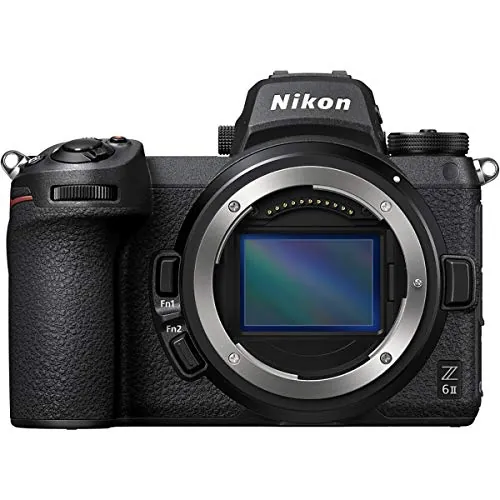
Nikon Z 6II Full-Frame Mirrorless Camera (US model 1659) · Z 6II / 1659
Nikon Z 6II Full-Frame Mirrorless Camera (US model 1659)
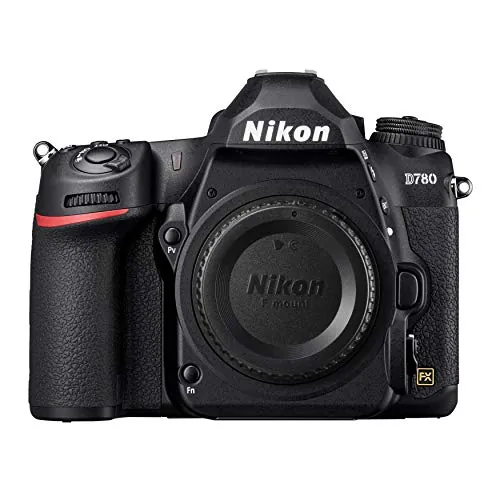
Nikon D780 Full-Frame DSLR Camera (US model 1618) · D780 / 1618
Nikon D780 Full-Frame DSLR Camera (US model 1618)

Interchangeable Lens Cameras

Nikon Z 6II vs D780: Lens Mount, Cards and Finder Workflow

The US Nikon Z 6II model 1659 is a Z-mount mirrorless body with an electronic finder that previews selected settings, plus one CFexpress Type B/XQD slot and one SD slot. The Nikon D780 model 1618 keeps Nikon F mount and two SD slots with an optical pentaprism finder. For an existing F-mount kit, check each lens on Nikon's compatibility lists; using the original FTZ on Z 6II requires adapter firmware 1.10 or later. For dual-card backup or RAW/JPEG separation, compare your card inventory against each body's slot types and configuration options.

Read comparison
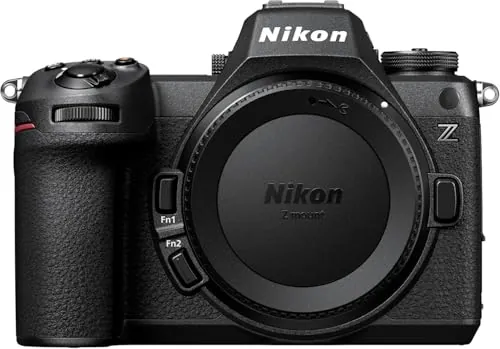
Nikon Z6 III Mirrorless Camera — Black, USA Model 1890 · 1890
Nikon Z6 III Mirrorless Camera — Black, USA Model 1890
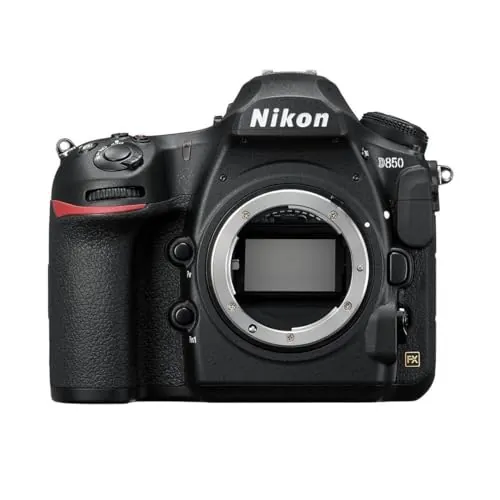
Nikon D850 DSLR Camera Body — USA Model 1585 · 1585
Nikon D850 DSLR Camera Body — USA Model 1585

Interchangeable Lens Cameras

Nikon Z6 III vs D850: Lens Mounts, Card Slots, and Video Paths

The Nikon Z6 III (U.S. model 1890) is a Z-mount mirrorless body with an electronic viewfinder, vari-angle screen, and internal 6K RAW recording options. The Nikon D850 (U.S. model 1585) is an F-mount DSLR with an optical pentaprism finder, tilting screen, and in-camera 4K UHD recording up to 30p. Both have two card slots and support compatible CFexpress Type B cards. On the D850, check for Nikon C firmware 1.20 or newer. The practical choice is whether you want to keep compatible F-mount lenses directly on the D850 or move them through a checked FTZ adapter on the Z6 III, and whether the Z6 III's internal RAW video modes fit your recording and editing workflow.

Read comparison
Nikon NIKKOR Z 40mm f/2 · NIKKOR Z 40mm f/2 (20102)
Nikon NIKKOR Z 40mm f/2
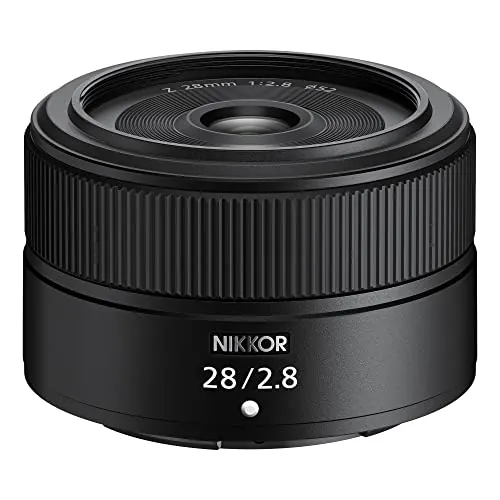
Nikon NIKKOR Z 28mm f/2.8 · NIKKOR Z 28mm f/2.8 (20101), standard non-SE
Nikon NIKKOR Z 28mm f/2.8

Camera Lenses

Nikon NIKKOR Z 40mm f/2 vs 28mm f/2.8: Framing, Close Focus and Filter Fit

This is the standard black NIKKOR Z 28mm f/2.8 (Nikon model 20101), not the separately listed 28mm f/2.8 SE. Both assigned products are FX-format Z-mount primes with a 52mm filter thread. On FX, Nikon lists a 75° angle of view for the 28mm and 57° for the 40mm; on DX the figures are 53° and 38°50′. The 40mm has the wider maximum aperture (f/2 versus f/2.8), while the 28mm focuses closer from the camera's focal plane (0.19m versus 0.29m). Pick based on framing and working setup, not an unverified image-quality ranking.

Read comparison
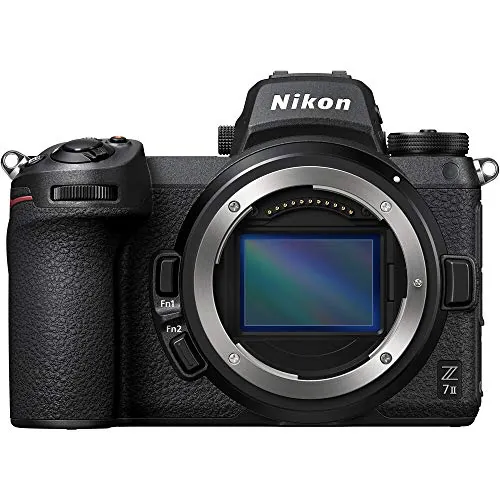
Nikon Z 7II Full-Frame Mirrorless Camera Body · Z 7II (U.S. model 1653)
Nikon Z 7II Full-Frame Mirrorless Camera Body
Nikon Z 6II Full-Frame Mirrorless Camera Body · Z 6II (U.S. model 1659)
Nikon Z 6II Full-Frame Mirrorless Camera Body

Mirrorless Cameras

Nikon Z 7II vs Z 6II: Still Output, Cards, and 4K60 Framing

The U.S. Nikon Z 7II body (1653) records larger FX still files, up to 8256 × 5504 pixels, while the Z 6II body (1659) records up to 6048 × 4024. Both use one CFexpress Type B/XQD slot plus one SD slot. At internal 4K UHD 60p, Nikon documents FX-area recording on the Z 7II and DX-area recording on the Z 6II; both are 8-bit modes. Match the body to the file dimensions and lens framing your delivery needs, then check card compatibility and firmware before buying.

Read comparison
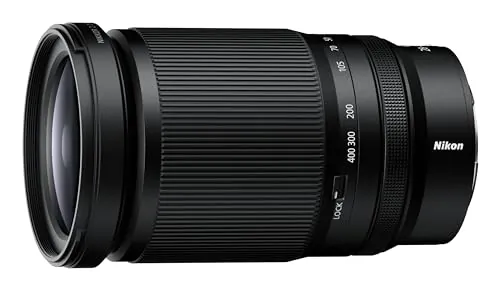
Nikon NIKKOR Z 50mm f/1.8 S · NIKKOR Z 50mm f/1.8 S (U.S. model 20083)
Nikon NIKKOR Z 50mm f/1.8 S
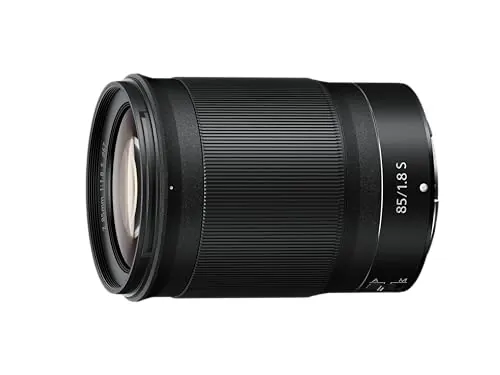
Nikon NIKKOR Z 85mm f/1.8 S · NIKKOR Z 85mm f/1.8 S (U.S. model 20090)
Nikon NIKKOR Z 85mm f/1.8 S

Camera Lenses

Nikon NIKKOR Z 50mm f/1.8 S vs 85mm f/1.8 S: Framing, Filters and Carry

Both are Nikon Z-mount f/1.8 prime lenses, but the 50mm records a wider listed angle of view and is shorter, lighter and built for a 62mm filter; the 85mm gives a tighter listed angle and uses a 67mm filter. Nikon markets the 85mm toward portraits and similar tighter subjects. Choose by your camera format, subject distance, existing filters and bag space. These published specifications do not establish a sharpness, autofocus or background-rendering winner.

Read comparison