Pickagu

Mirrorless Cameras

Find your model below to compare what is included and how the differences affect everyday use.

18 comparisons

Mirrorless Cameras comparisons

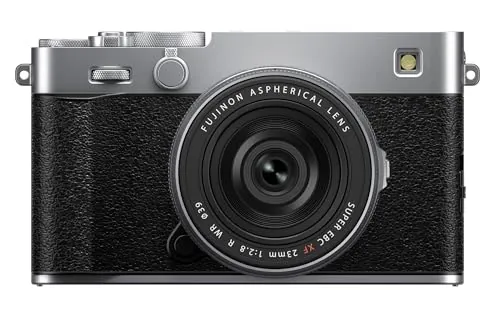
Fujifilm X-E5 + XF23mmF2.8 R WR kit (Silver) · X-E5 + XF23mmF2.8 R WR
Fujifilm X-E5 + XF23mmF2.8 R WR kit (Silver)
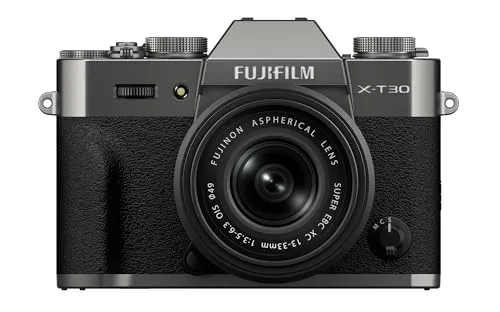
Fujifilm X-T30 III + XC13-33mmF3.5-6.3 OIS kit (Charcoal Silver) · X-T30 III + XC13-33mmF3.5-6.3 OIS
Fujifilm X-T30 III + XC13-33mmF3.5-6.3 OIS kit (Charcoal Silver)

Fujifilm X-E5 XF23mmF2.8 Kit vs X-T30 III XC13-33mm Kit: Prime or Zoom?

The Silver X-E5 kit pairs its camera body with a fixed XF23mmF2.8 R WR lens (35mm-equivalent framing) and in-body stabilization. The Charcoal Silver X-T30 III kit includes an XC13-33mmF3.5-6.3 OIS zoom (20–50mm equivalent), with stabilization in that lens and an AUTO mode selector on the camera. Choose by the framing you want without changing lenses, your preferred control workflow, and whether the microphone plug and movie modes suit your setup. Fujifilm’s specifications do not establish which kit makes better-looking or steadier real-world footage.

Read comparison
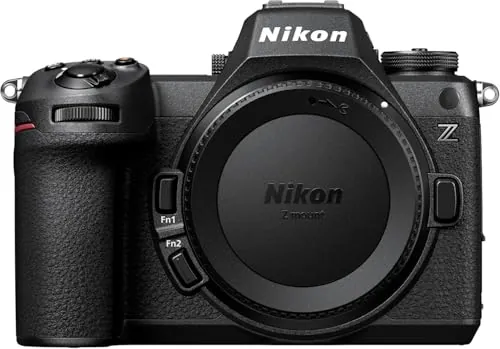
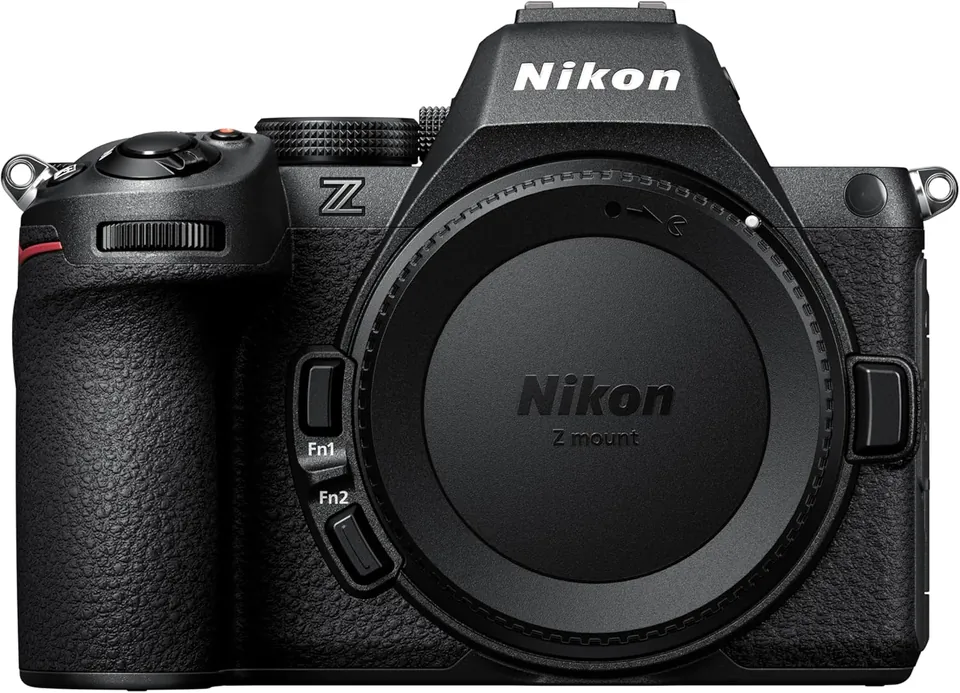
Nikon Z6 III Full-Frame Mirrorless Camera Body · 1890
Nikon Z6 III Full-Frame Mirrorless Camera Body
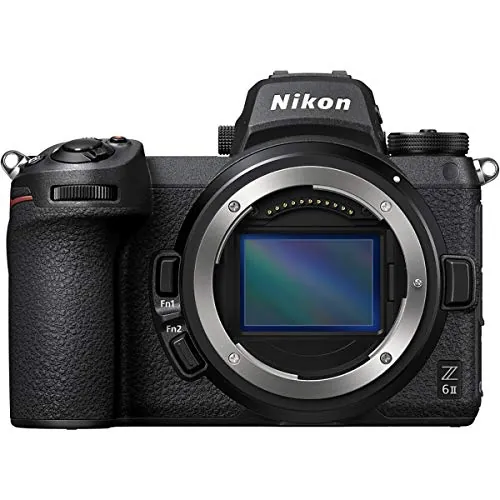
Nikon Z 6II Full-Frame Mirrorless Camera Body · 1659
Nikon Z 6II Full-Frame Mirrorless Camera Body

Nikon Z6 III vs Z 6II: Video Modes, Cards and Recorder Setup

This body-only US comparison is about recording workflow, not image quality. Nikon documents 6K/60p internal RAW and 4K/120p on the Z6 III. The Z 6II can record internal 4K/60p after firmware 1.10, but Nikon specifies DX image area and 8-bit; its separate external 10-bit N-Log workflow is documented at 4K/30p, 25p and 24p. Both bodies use CFexpress Type B/XQD plus SD card slots, but their HDMI ports differ: Type A on Z6 III and Type C on Z 6II. Check your exact delivery format, card/reader and recorder cable before changing bodies.

Read comparison
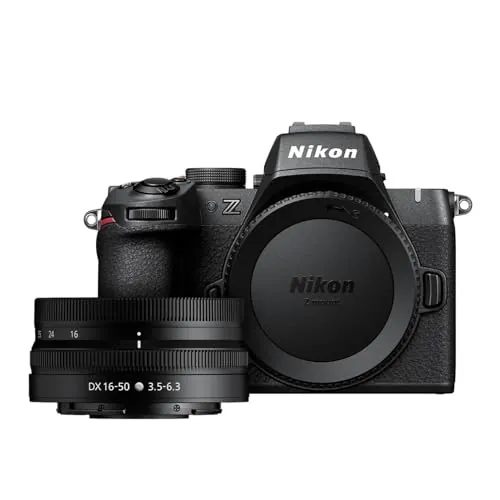
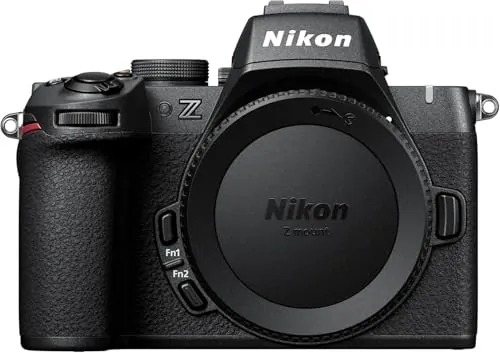
Nikon Z50 II with NIKKOR Z DX 16–50mm f/3.5–6.3 VR Lens Kit · Z50 II (1786)
Nikon Z50 II with NIKKOR Z DX 16–50mm f/3.5–6.3 VR Lens Kit
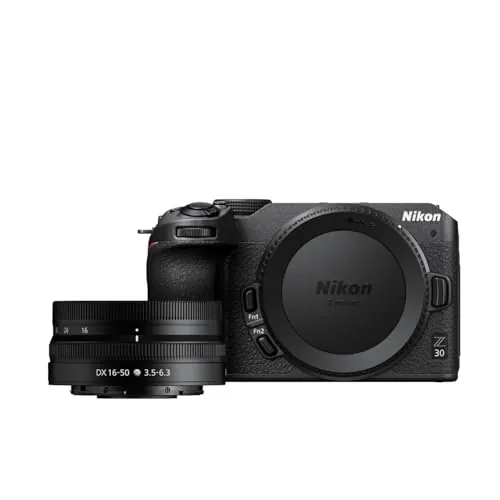
Nikon Z30 with NIKKOR Z DX 16–50mm f/3.5–6.3 VR Lens Kit · Z30 (1749)
Nikon Z30 with NIKKOR Z DX 16–50mm f/3.5–6.3 VR Lens Kit

Nikon Z50 II vs Z30 16–50mm Kits: Viewfinder, Controls and Video Modes

These U.S. kits pair different Nikon bodies with the NIKKOR Z DX 16–50mm VR zoom. Both have vari-angle screens and 4K/30p. The Z50 II adds an electronic viewfinder, dedicated Picture Control button, and 4K/60p with a narrower angle of view and electronic VR disabled in that mode. It also documents a Product Review mode for bringing an object close to the camera during video. Decide from your framing and delivery needs, then verify the exact lens kit on the seller page.

Read comparison
Nikon Z6 III Full-Frame Mirrorless Camera · Z6 III (U.S. model 1890)
Nikon Z6 III Full-Frame Mirrorless Camera
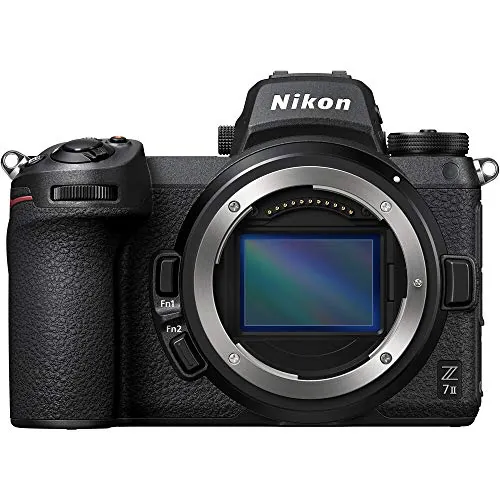
Nikon Z 7II Full-Frame Mirrorless Camera · Z 7II (U.S. model 1653)
Nikon Z 7II Full-Frame Mirrorless Camera

Nikon Z6 III vs Nikon Z 7II: Still Resolution or Internal Video Modes?

Both are Nikon full-frame mirrorless bodies, but their documented output paths differ. Nikon lists the Z 7II at 8256 × 5504 pixels for FX Large stills, versus 6048 × 4032 on the Z6 III. The newer Z6 III adds internal 6K/60p N-RAW in FX and 4K/120p in DX; the Z 7II records internal 4K/60p in 8-bit FX with about 93% of its 4K/30p FX coverage. Choose by the still-file dimensions and exact video deliverable you need, then verify cards and framing before a shoot.

Read comparison
Nikon Z50 II with NIKKOR Z DX 16–50mm f/3.5–6.3 VR Lens Kit · Z50 II (1786)
Nikon Z50 II with NIKKOR Z DX 16–50mm f/3.5–6.3 VR Lens Kit
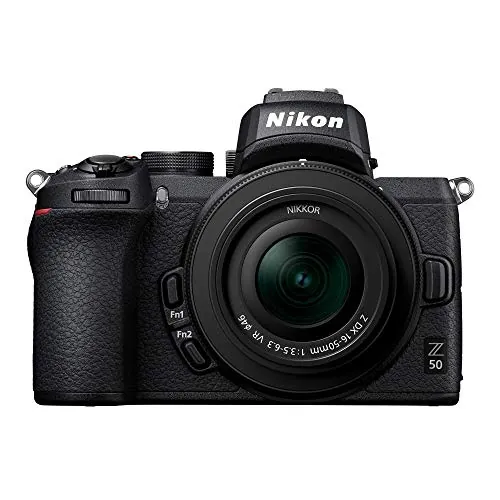
Nikon Z 50 with NIKKOR Z DX 16–50mm f/3.5–6.3 VR Lens Kit · Z 50 (1633)
Nikon Z 50 with NIKKOR Z DX 16–50mm f/3.5–6.3 VR Lens Kit

Nikon Z50 II vs Z50 16–50mm Kits: Video Files, Cards and Controls

These assigned U.S. listings pair Nikon's Z50 II and Z 50 with a 16–50mm VR kit lens. The practical differences are the recording and editing path, supported SD-card interface, body controls and monitor movement. The Z50 II records H.265 10-bit MOV with HLG/N-Log options, adds 4K/50p–60p (with a tighter crop and electronic VR off), and supports UHS-I and UHS-II cards. The Z 50 records 4K up to 30p, offers H.264 MOV/MP4 and supports UHS-I. Confirm exact kit contents and your editing/card workflow before choosing.

Read comparison
Nikon Z6 III Full-Frame Mirrorless Camera Body · 1890
Nikon Z6 III Full-Frame Mirrorless Camera Body
Nikon Z5 II Full-Frame Mirrorless Camera Body · 1680
Nikon Z5 II Full-Frame Mirrorless Camera Body

Nikon Z6 III vs Z5 II: Choose by Video Format, Crop and Cards

This US body-only comparison is for buyers planning a video workflow. The Nikon Z6 III body (model 1890) records FX 6K/60p N-RAW and FX 4K/60p; its 4K/120p option is fixed to DX area. The Z5 II body (model 1680) offers FX 4K/30p and N-RAW, while its 4K/60p option is also fixed to DX area. The Z6 III pairs SD with CFexpress Type B/XQD; the Z5 II has two SD slots. Choose by the deliverable’s frame rate and framing, then verify cards, slot roles and your preferred on-body controls. This is a specification-based fit guide, not a footage test.

Read comparison
Nikon Z5 II Full-Frame Mirrorless Camera · Z5 II, Nikon model 1680
Nikon Z5 II Full-Frame Mirrorless Camera
Nikon Z 7II Full-Frame Mirrorless Camera · Z 7II, Nikon model 1653
Nikon Z 7II Full-Frame Mirrorless Camera

Nikon Z5 II vs Z 7II: Still Output, Video Modes and Cards

The Z 7II records larger published FX still dimensions: 8,256 × 5,504 versus the Z5 II's 6,048 × 4,032. Video changes the decision: Z5 II offers internal 10-bit H.265 and 12-bit N-RAW, but its 4K/60p option is cropped and N-RAW tops out at 30p. Z 7II internal 4K/60p is 8-bit; its slots take different card families.

Read comparison
Nikon Z5 II Full-Frame Mirrorless Camera, Black · Z5II (U.S. model 1680)
Nikon Z5 II Full-Frame Mirrorless Camera, Black
Nikon Z50 II Mirrorless Camera, Black · Z50II (U.S. model 1784)
Nikon Z50 II Mirrorless Camera, Black

Nikon Z5II vs Z50II: FX or DX, In-Body VR and Dual-Card Backup

The Nikon Z5II (U.S. model 1680) is an FX body with 5-axis in-body VR and two SD slots; its guide says a DX lens fixes capture to the DX image area. The Nikon Z50II (U.S. model 1784) is a DX body with one SD slot and lens-shift VR when paired with a compatible VR lens. Inventory your lenses first, then decide whether in-camera duplicate-card recording and the Z5II's 125 g higher Nikon-listed camera weight fit your routine.

Read comparison
Nikon Z5II Full-Frame Mirrorless Camera, U.S. Body · 1680
Nikon Z5II Full-Frame Mirrorless Camera, U.S. Body
Nikon Z 6II Full-Frame Mirrorless Camera, U.S. Body · 1659
Nikon Z 6II Full-Frame Mirrorless Camera, U.S. Body

Nikon Z5II vs Nikon Z 6II: SD Cards, USB Setup and Video Recording Paths

The U.S. Nikon Z5II body (1680) has two SD slots and records documented 12-bit N-RAW and 10-bit H.265 internally. The Nikon Z 6II body (1659) pairs one CFexpress Type B/XQD slot with one SD slot; its 10-bit N-Log/HLG route uses an external HDMI recorder, and RAW output needs Nikon’s paid upgrade and a compatible recorder. Both list cropped 4K UHD/60p modes. Check your cards, planned recording mode and computer/recorder ports before choosing.

Read comparison
Nikon Z 50 Black 16–50mm VR Lens Kit · 1633
Nikon Z 50 Black 16–50mm VR Lens Kit
Nikon Z 30 Black 16–50mm VR Lens Kit · 1749
Nikon Z 30 Black 16–50mm VR Lens Kit

Nikon Z 50 vs Z 30 16–50mm Kits: Viewfinder, Screen and Recording

These exact black U.S. kits pair different camera bodies with Nikon’s NIKKOR Z DX 16–50mm f/3.5–6.3 VR lens. The lens does not decide between them: Z 50 adds an electronic viewfinder but its screen flips down into a self-portrait position, while Z 30 has no viewfinder and a side-hinged vari-angle screen. Nikon lists a 29:59 maximum movie recording time for Z 50 and up to 125 minutes for Z 30; USB power and battery conditions matter for longer Z 30 sessions.

Read comparison
Nikon Z 7II Full-Frame Mirrorless Camera Body · Z 7II (U.S. model 1653)
Nikon Z 7II Full-Frame Mirrorless Camera Body
Nikon Z 6II Full-Frame Mirrorless Camera Body · Z 6II (U.S. model 1659)
Nikon Z 6II Full-Frame Mirrorless Camera Body

Nikon Z 7II vs Z 6II: Still Output, Cards, and 4K60 Framing

The U.S. Nikon Z 7II body (1653) records larger FX still files, up to 8256 × 5504 pixels, while the Z 6II body (1659) records up to 6048 × 4024. Both use one CFexpress Type B/XQD slot plus one SD slot. At internal 4K UHD 60p, Nikon documents FX-area recording on the Z 7II and DX-area recording on the Z 6II; both are 8-bit modes. Match the body to the file dimensions and lens framing your delivery needs, then check card compatibility and firmware before buying.

Read comparison
Nikon Z 6II Full-Frame Mirrorless Camera (U.S. model 1659) · Z 6II / 1659
Nikon Z 6II Full-Frame Mirrorless Camera (U.S. model 1659)
Nikon Z50II Mirrorless Camera (U.S. model 1784) · Z50II / 1784
Nikon Z50II Mirrorless Camera (U.S. model 1784)

Nikon Z 6II vs Z50 II: FX Framing, 4K60p and Card Workflow

The U.S. Nikon Z 6II model 1659 records stills over an FX-format sensor and has two different card slots; its 4K60p/50p video switches to DX area and is 8-bit. The Z50II model 1784 is DX-format, has one SD slot, and lists internal H.265 10-bit 4K60p/50p, with an additional crop relative to its normal DX video view and Electronic VR fixed off in those modes. Match your intended lens framing, recording format and backup routine before choosing.

Read comparison
Nikon Z5 II Full-Frame Mirrorless Camera, USA Model, Black · 1680
Nikon Z5 II Full-Frame Mirrorless Camera, USA Model, Black
Fujifilm X-E5 Mirrorless Camera with XF23mmF2.8 Lens Kit, Silver · 16949961
Fujifilm X-E5 Mirrorless Camera with XF23mmF2.8 Lens Kit, Silver

Nikon Z5 II vs Fujifilm X-E5: Lens System, Card Slots, and Video Crop

The Nikon Z5 II is an FX-format Nikon Z body with two SD slots; the Fujifilm X-E5 is APS-C, has one UHS-II SD slot, and the listing used here is the silver XF23mmF2.8 kit. Their saved-setting controls differ, and each camera crops video modes differently. Verify the exact kit at checkout before comparing the bodies as a like-for-like purchase.

Read comparison
Nikon Z50 II Mirrorless Camera (1784, Body Only) · Z50 II, Nikon product 1784
Nikon Z50 II Mirrorless Camera (1784, Body Only)
Fujifilm X-T30 III Mirrorless Camera with XC13-33mm Lens Kit (Charcoal Silver) · X-T30 III, model 16966957, XC13-33mm kit
Fujifilm X-T30 III Mirrorless Camera with XC13-33mm Lens Kit (Charcoal Silver)

Nikon Z50 II Body Only vs Fujifilm X-T30 III XC13-33mm Kit: What You Need First

These are different first-purchase paths. Nikon USA lists Z50 II product 1784 as body-only, so plan for a compatible lens you already own or choose separately. The Fujifilm X-T30 III configuration in this comparison is the Charcoal Silver XC13-33mm kit. Their documented color-control routines differ too: Nikon opens Picture Control choices from a button; Fujifilm uses a Film Simulation dial with FS1–FS3 custom positions. Check the exact seller-selected kit before checkout; none of these specifications establish an image-quality or autofocus winner.

Read comparison
Nikon Z50 II Mirrorless Camera (1784, Body Only) · Z50 II, Nikon USA product 1784
Nikon Z50 II Mirrorless Camera (1784, Body Only)
FUJIFILM X-E5 Mirrorless Camera with XF23mmF2.8 Lens Kit (Silver) · X-E5, model 16949961, XF23mmF2.8 kit configuration
FUJIFILM X-E5 Mirrorless Camera with XF23mmF2.8 Lens Kit (Silver)

Nikon Z50 II Body Only vs Fujifilm X-E5 XF23mmF2.8 Kit: Which Setup Fits?

These listings start in different places: the Nikon Z50 II product 1784 is the body-only option, while the Fujifilm X-E5 is listed as a silver XF23mmF2.8 kit. Confirm the seller's selected contents before checkout. The systems also use different lens mounts and distinct control layouts. For video, compare the modes and connection workflow you actually need; maker battery figures use their own test conditions and are not a head-to-head runtime result.

Read comparison
Nikon Z50 II with NIKKOR Z DX 16-50mm f/3.5-6.3 VR kit lens · 1786
Nikon Z50 II with NIKKOR Z DX 16-50mm f/3.5-6.3 VR kit lens
FUJIFILM X-T30 III with FUJINON XC13-33mmF3.5-6.3 OIS kit lens · 16966957
FUJIFILM X-T30 III with FUJINON XC13-33mmF3.5-6.3 OIS kit lens

Nikon Z50 II 16-50mm Kit vs Fujifilm X-T30 III 13-33mm Kit: Which Fits Your First Shoots?

The Fujifilm X-T30 III kit starts wider at 20mm-equivalent, while the Nikon Z50 II 16-50mm kit reaches farther at its long end, 75mm-equivalent versus 50mm. Their body controls also take different routes: Fuji provides a top-plate Film Simulation dial and AUTO switch; Nikon provides a Picture Control button and intelligent auto modes. If you later add a telephoto, the optional Nikon Z DX 50-250mm and Fujifilm XC50-230mm ranges are close; Nikon's stated/calculated equivalent range reaches 25mm farther at the long end. These are feature-fit comparisons, not image-quality or autofocus tests.

Read comparison
Nikon Z6 III Mirrorless Camera Body, Black · 1890
Nikon Z6 III Mirrorless Camera Body, Black
FUJIFILM X-T30 III with XC13-33mmF3.5-6.3 OIS Lens Kit, Charcoal Silver · 16966957
FUJIFILM X-T30 III with XC13-33mmF3.5-6.3 OIS Lens Kit, Charcoal Silver

Nikon Z6 III vs Fujifilm X-T30 III: Capture and Kit Choices

These are different starting packages: the Nikon Z6 III offer is body only, while the Fujifilm X-T30 III offer includes the XC13-33mm lens kit. Nikon documents internal N-RAW up to 6K/60p; Fujifilm lists internal 6.2K/30p and a Film Simulation dial with three custom recipe positions. Choose by your required file mode, current lens/card system and whether the included Fuji zoom fits your plan—not by an untested image-quality claim.

Read comparison
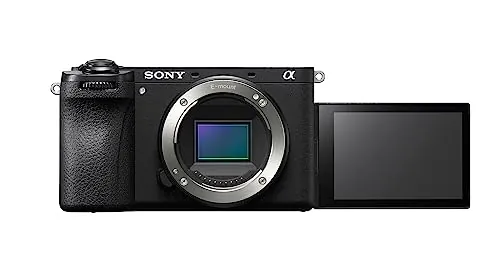
Sony a6700 APS-C Mirrorless Camera Body · ILCE-6700/B
Sony a6700 APS-C Mirrorless Camera Body
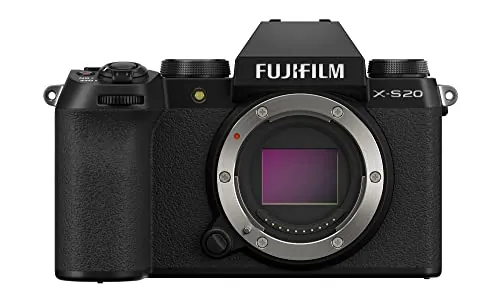
Fujifilm X-S20 Mirrorless Camera Body · X-S20
Fujifilm X-S20 Mirrorless Camera Body

Sony a6700 vs Fujifilm X-S20: 4K 120p Framing or 6.2K 3:2?

The Sony a6700 is the fit for an E-mount kit or a project requiring UHD 4K through 119.88p, with mode-specific tighter framing and SD speed-class needs. The Fujifilm X-S20 fits an X-mount kit or internal 6.2K 3:2 reframing workflow. Check exact codecs, cards, temperatures and body-only offer contents; neither is a tested performance winner.

Read comparison